If you’ve ever thought, “I make great food, maybe I should start a takeaway,” you’re not alone. Over the last few years, takeaway and delivery businesses have become one of the most popular ways to enter the food industry.
Customers are ordering more meals online than ever before, and many entrepreneurs are discovering that running a takeaway can be more affordable than opening a full-service restaurant.
But here’s the reality: good cooking skills alone won’t guarantee success.
Many takeaway owners spend thousands on equipment, branding and shop fittings before they’ve even checked whether people in their area actually want what they’re selling. On the other hand, some of the most successful takeaways started small, tested their ideas carefully and grew steadily.
If you’re looking into how to start a takeaway food business in the UK, this guide will walk you through the essentials while sharing practical tips that can save you time, money and headaches later on.
Research the Market and Choose Your Food Concept
Identify Your Niche
One of the biggest traps new takeaway owners fall into is trying to offer everything. A menu with 80 items might seem impressive, but it often creates operational problems, food waste and inconsistent quality.
Instead, focus on becoming known for something specific.
Popular takeaway concepts include:
- Gourmet burgers
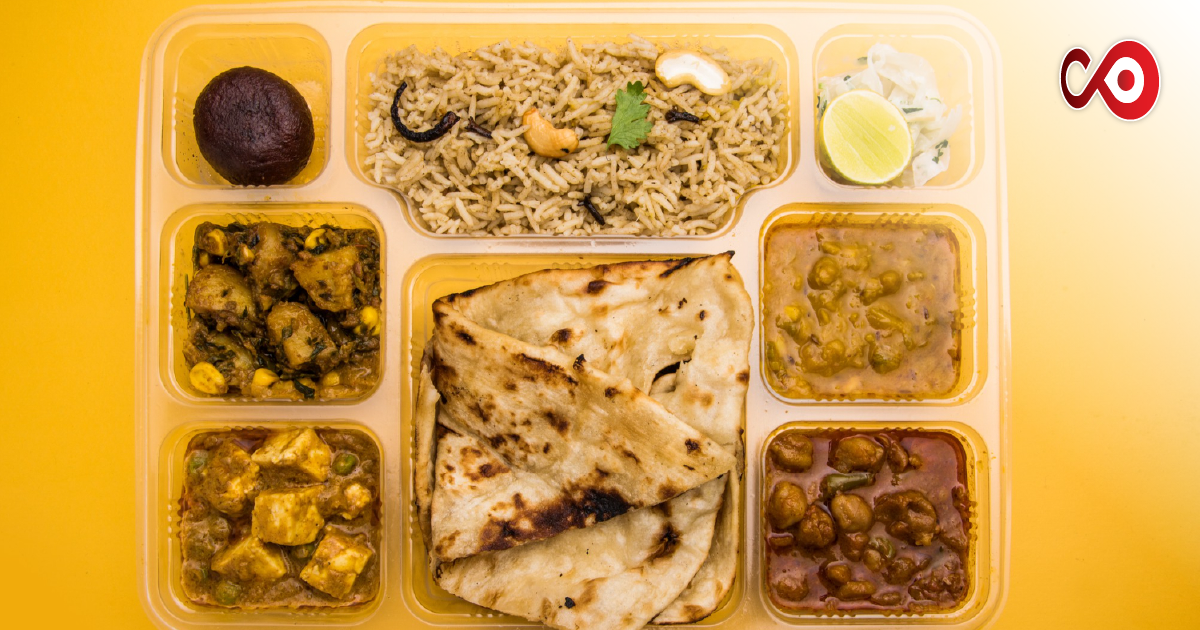
- Indian takeaway
- Street food
- Vegan dishes
- Healthy meal prep and delivery
Here’s a useful tip: spend a few evenings browsing local delivery apps and ask yourself one question:
What do people struggle to find nearby?
Sometimes the best opportunity isn’t creating something completely new. It’s simply doing something better than everyone else.
Analyse Local Competition
Before signing a lease or buying equipment, become a customer first.
Order food from local competitors. Pay attention to:
- Food quality
- Portion sizes
- Delivery times
- Packaging
- Customer reviews
The reviews section is often where you’ll find valuable business ideas. For example, if dozens of customers complain about cold food, poor communication or missing items, you’ve already identified areas where your business can stand out.
Create a Business Plan
A business plan doesn’t need to look like a university assignment. Keep it practical.
Work out:
- Startup costs
- Monthly expenses
- Expected sales
- Profit margins
- Break-even point
One useful trick is to overestimate costs and underestimate sales. It creates a more realistic picture and helps avoid nasty surprises during the first few months.
Register Your Takeaway Food Business
Register Your Business Legally
Before serving your first customer, you’ll need to choose a business structure.
Most takeaway owners operate as either:
- Sole traders
- Limited companies
If you’re unsure which option suits your situation, speaking with an accountant can save money and confusion later. Don’t leave registration until the last minute. Getting everything organised early makes the launch process much smoother.
Meet Food Safety Regulations
Food safety isn’t something you can afford to overlook. You’ll need to register your food business with your local authority at least 28 days before opening.
A strong food hygiene rating can become a selling point, while a poor rating can damage customer trust almost instantly. A useful tip is to prepare for inspections from day one rather than scrambling when inspectors arrive.
Understand Health and Safety Compliance
Every member of your team should understand basic food safety procedures.
This includes:
- Proper food storage
- Temperature control
- Cleaning routines
- Personal hygiene
- Cross-contamination prevention
Creating simple checklists for staff can help maintain standards, especially during busy periods.
Choose the Right Kitchen Setup
Commercial Kitchen Options
Not every takeaway starts with a traditional shopfront.
Depending on your budget, you could choose:
- A takeaway unit
- A ghost kitchen setup
- A shared commercial kitchen
- A food truck
Many first-time owners assume they need a prime high-street location. In reality, if most of your orders come through delivery apps, a lower-rent location could significantly improve profitability.
Buy Essential Equipment
It’s tempting to buy every piece of equipment available, but start with what you genuinely need.
Focus on:
- Cooking equipment
- Refrigeration
- Food preparation stations
- Storage solutions
Whenever possible, buy reliable equipment rather than the cheapest option. A fryer breaking down on a Friday night can cost far more than the money saved upfront.
Invest in Quality Packaging
Packaging is often overlooked, but customers notice it immediately. Think about your own takeaway experiences. Nobody enjoys receiving food that’s leaked, gone cold or arrived looking messy.
Test different packaging options before launching. A simple trial run with friends and family can reveal problems you might otherwise miss.
Eco-friendly packaging can also appeal to environmentally conscious customers and strengthen your brand image.
Set Up Online Ordering and Delivery
Create an Ordering Website
Many takeaway owners rely entirely on delivery apps, but having your own website is equally important.
A good ordering website should:
- Work well on mobile devices
- Accept secure payments
- Display menus clearly
- Make ordering quick and easy
The easier you make the process, the more likely customers are to complete their orders.
Join Delivery Platforms
Delivery platforms can help new businesses gain visibility quickly.
Popular options include:
- ChefOnline
- Uber Eats
- Deliveroo
- Just Eat
Many successful takeaways use multiple platforms while also encouraging repeat customers to order directly through their own website. A useful strategy is to include promotional offers for direct orders inside delivery bags.
Arrange Delivery Logistics
You’ll need to decide whether to:
- Hire your own drivers
- Use third-party delivery services
Running your own delivery team gives you more control over customer service, but it also comes with additional costs and management responsibilities.
Many startups begin with third-party services and gradually build their own delivery operation as order volumes increase.
Get the Right Insurance and Licences
Business Insurance
Insurance isn’t exciting, but it’s essential.
Depending on your setup, you may need:
- Public liability insurance
- Employer’s liability insurance
- Contents insurance
- Vehicle insurance for delivery drivers
It’s worth comparing several providers rather than accepting the first quote you receive.
Food Business Licences
Licence requirements vary depending on your location and business model. Check with your local authority early in the planning process. Many new operators underestimate how long approvals can take, which can delay opening dates.
Build Your Takeaway Brand
Create Strong Branding
Branding is much more than a logo. Think about how customers will remember your business.
Your branding should be reflected in:
- Business name
- Packaging
- Website
- Social media
- Customer experience
The strongest takeaway brands create a consistent experience from the moment customers discover them online to the moment they open their food.
Use Social Media Marketing
You don’t need a huge advertising budget to attract attention. Simple content often performs best.
Try posting:
- Behind-the-scenes kitchen videos
- New menu items
- Customer reviews
- Staff stories
- Food preparation clips
People enjoy seeing the human side of a business. Authenticity usually beats overly polished marketing.
Encourage Customer Reviews
Reviews can make a huge difference, especially during your first year. Don’t be afraid to ask happy customers for feedback.
A simple message after delivery or a note inside the packaging can encourage reviews on:
- ChefOnline
- Deliveroo
- Uber Eats
- Just Eat
Responding professionally to both positive and negative reviews also helps build trust.
Prepare for Your Launch
Test Your Menu and Operations
Before officially opening, run several practice sessions. Invite friends, family or local community members to place test orders.
Pay attention to:
- Preparation times
- Delivery speed
- Packaging performance
- Food quality after transport
Many operational issues only become obvious once orders start moving through the system.
Offer Opening Promotions
A launch promotion can help generate early buzz.
Popular options include:
- Percentage discounts
- Free delivery
- Meal deals
- Loyalty rewards
Just make sure your promotion is sustainable. Attracting customers is important, but profitability matters too.
Final Thoughts
Starting a takeaway business can be incredibly rewarding, but success rarely happens by accident. The businesses that thrive are usually the ones that focus on the basics: great food, reliable service, smart pricing and a smooth ordering experience.
Take your time with planning. Test your ideas before investing heavily. Listen carefully to customer feedback and be willing to adapt. Most importantly, remember that customers don’t just buy food—they buy convenience, consistency and trust.
Get those things right, and you’ll give your takeaway the best possible chance of long-term success.
FAQs
How much does it cost to start a takeaway food business in the UK?
Startup costs vary depending on location, equipment and premises. Many small takeaway businesses launch with budgets ranging from £10,000 to £50,000, although some concepts may require more.
Do I need to register my takeaway business?
Yes. You must register your food business with your local authority before trading.
What is a ghost kitchen?
A ghost kitchen is a delivery-only kitchen that prepares food for online orders without offering dine-in services.
Which delivery platform should I use?
Many takeaway owners use a combination of ChefOnline, Deliveroo, Uber Eats and Just Eat to maximise visibility and reach more customers.
Do I need an online food ordering system?
Absolutely. Having your own online food ordering system gives customers a convenient way to order directly and can help reduce reliance on third-party delivery platforms.