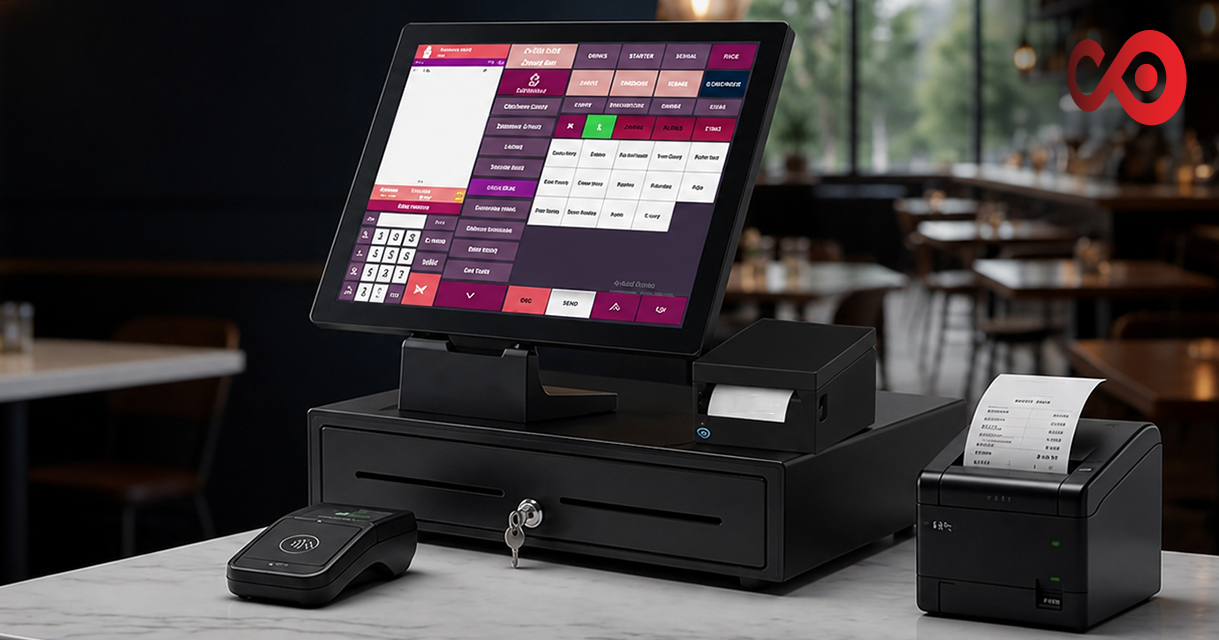
A full dining room and a busy takeaway counter feel like a good sign. But here’s the thing. Plenty of restaurants are busy and still struggle to make a decent profit.
That’s why you need to calculate your restaurant’s profitability, not just count how many orders came through the door. Once you understand a few key numbers, you’ll know what’s making you money and what’s quietly eating into it. You don’t need to be an accountant either. A handful of simple calculations can help you make better decisions, improve your restaurant profit margin, and build a business that lasts.
Why Restaurant Profitability Matters
Profit is what keeps your restaurant moving forward. It pays for new equipment, covers unexpected bills and gives you room to grow.
If you’re only checking sales, you’re missing half the story. Two restaurants can take £20,000 in a month, but one could make twice as much profit because it manages costs better. That’s why good restaurant financial management matters.
Keeping an eye on your profits helps you plan ahead, control spending, run your team more efficiently and grow without putting pressure on your cash flow.
Understanding Restaurant Revenue and Costs
Before you can work out your profit, you need to know what money is coming in and what is going out.
Total Revenue
Revenue is everything your restaurant earns. That usually includes food sales, drinks, catering jobs and delivery orders. If customers order through your own online food ordering system, you’ll normally keep more of each sale than if they order through third-party delivery apps.
Operating Expenses
Now comes the part that catches many owners out. Your costs include ingredients, staff wages, rent, utilities, marketing and software subscriptions. Every pound spent here reduces your profit, so keeping these under control is a big part of restaurant cost management.
How to Calculate Gross Profit Margin
One of the easiest ways to check how well your menu is performing is by working out your restaurant gross profit margin.
Formula
Gross Profit Margin (%) = (Total Revenue − Cost of Goods Sold) ÷ Total Revenue × 100
What Counts as Cost of Goods Sold (COGS)?
COGS includes everything needed to produce the food you sell, such as ingredients, drinks, takeaway packaging and disposable items.
Example Calculation
Let’s keep it simple. Your restaurant brings in £40,000 this month. Food, drinks and packaging cost £12,000. That leaves you with £28,000 before paying wages, rent and other bills. Your gross profit margin is: £28,000 ÷ £40,000 × 100 = 70%
Many owners use a restaurant profitability calculator to speed things up, but it’s worth understanding how the numbers work.
Why Gross Profit Margin Matters
A healthy gross profit margin tells you your menu pricing is working. If the number starts falling, you may need to review supplier prices, reduce food waste or increase prices on dishes that have become expensive to make.
How to Calculate Net Profit Margin
Gross profit only tells part of the story. Your restaurant net profit margin shows what you actually keep after paying every bill.
Formula
Net Profit Margin (%) = Net Income ÷ Total Revenue × 100
Expenses Included
This includes wages, rent, utilities, insurance, marketing, taxes and any other running costs.
Example Calculation
Using the same £40,000 revenue, imagine all your monthly expenses leave you with £4,000.
Your net profit margin is:
£4,000 ÷ £40,000 × 100 = 10%
That means you keep 10p from every £1 you make. If that figure keeps getting smaller, it’s time to review your spending.
Monitor Prime Costs for Better Financial Control
Prime cost combines your two biggest expenses: food and labour. It’s one of the most useful restaurant KPIs you can track.
What Are Prime Costs?
Prime costs include:
- Cost of Goods Sold (COGS)
- Labour costs
Formula
Prime Cost (%) = (COGS + Labour Costs) ÷ Total Sales × 100
A good target is 55% to 60%. If you’re well above that, your profits will usually suffer. To bring prime costs down, keep a closer eye on stock, schedule staff around busy periods and reduce food waste wherever you can.
Calculate Your Restaurant Break-Even Point
Every restaurant has a minimum amount it needs to sell before making a profit. That’s your break-even point.
Understanding Fixed Costs
These stay the same every month, whether you’re busy or quiet. Rent, insurance, salaried staff and equipment leases all fall into this group.
Understanding Variable Costs
These change depending on how many orders you receive. Ingredients, takeaway packaging, hourly wages and delivery costs are common examples.
Break-Even Formula
Break-Even Revenue = Fixed Costs ÷ Contribution Margin Ratio
Knowing your restaurant break-even analysis helps you set realistic sales targets and avoid nasty surprises during quieter months.
Key Restaurant Profitability Metrics to Track
Don’t stop at profit margins. A few other numbers can tell you how your restaurant is performing.
Keep an eye on your Food Cost Percentage, Labour Cost Percentage, Average Order Value, Revenue Per Seat, Table Turnover Rate and Customer Acquisition Cost. Together, these restaurant KPIs help you spot problems before they become expensive.
Common Reasons Restaurants Struggle with Profitability
Many restaurants lose money without realising it. Food waste, overstaffing, poor menu pricing and rising supplier costs are common problems. Relying too heavily on delivery apps can also eat into profits because of commission charges.
Another mistake is ignoring financial reports. If you only check your figures once a year, you’ll miss plenty of chances to improve.
Strategies to Improve Restaurant Profitability
Improving profit doesn’t always mean getting more customers. Sometimes it’s about making more from the customers you already have.
Review your menu regularly and remove dishes that don’t sell or make very little money. Keep your stock under control so ingredients don’t end up in the bin. Train your team to suggest drinks, desserts or side dishes without sounding pushy, as this can increase your average order value.
If possible, encourage customers to order through your own online food ordering system. Direct orders usually leave you with a better margin than third-party delivery platforms.
Finally, reward loyal customers. A simple loyalty offer often brings people back, and keeping existing customers is usually cheaper than finding new ones.
Wrapping Up
If you want your restaurant to grow, guessing isn’t enough. Take time every month to calculate your restaurant’s profitability and review your numbers.
Watch your restaurant profit margin, monitor your gross and net profit, keep prime costs under control and know your break-even point. These figures won’t fix every problem overnight, but they’ll help you make smarter decisions and keep your business heading in the right direction.
Frequently Asked Questions
How often should I calculate my restaurant’s profitability?
At least once a month. Weekly checks are even better for busy restaurants.
What is a good restaurant profit margin?
Most independent restaurants aim for a net profit margin of around 5% to 15%.
Why is prime cost so important?
Because food and labour are usually your two biggest expenses, even small changes can have a big effect on profit.
Can an online food ordering system increase profits?
Yes. Direct orders usually mean lower commission fees and better customer retention.
Do I need a restaurant profitability calculator?
It can save time, but understanding the calculations yourself helps you make better business decisions.