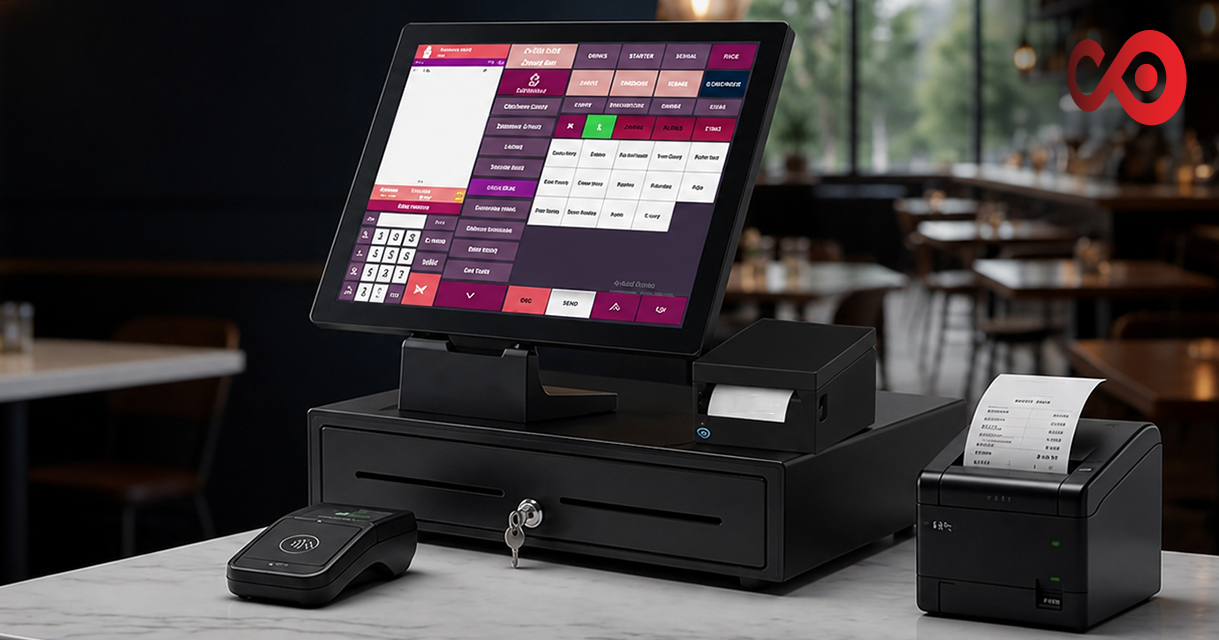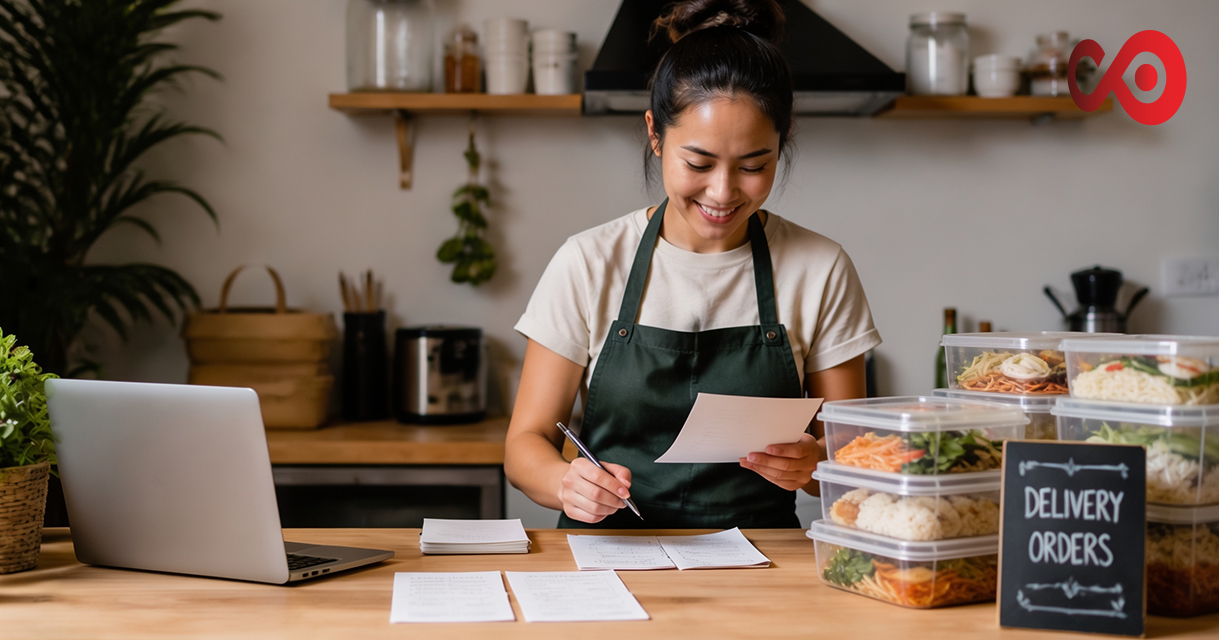
If you’ve ever wondered how to start a takeaway business from home, you’re not alone. Across the UK, more people are turning their home kitchens into profitable food businesses. Rising commercial rent, flexible working, and the popularity of food delivery have made it much easier to get started without investing thousands of pounds in a restaurant.
The good news is that you don’t need a huge kitchen or a long menu to make it work. What you do need is a solid plan, the right registrations, good food hygiene, and a simple way for customers to place orders.
Whether you want to cook Indian curries, homemade desserts, or family recipes that people already rave about, this guide walks you through every stage of building a home food business that UK entrepreneurs can trust.
Why Home-Based Takeaway Businesses Are Growing in the UK
Over the last few years, ordering food online has become part of everyday life. Many customers now care more about flavour, consistency and convenience than whether the food comes from a restaurant or a home kitchen.
Starting from home offers several advantages.
You avoid expensive commercial rent, can begin with smaller equipment costs, and have the freedom to grow at your own pace. Many successful food businesses started by selling only a handful of dishes before expanding into larger premises.
That said, running a takeaway from home still requires compliance with UK food regulations. Customers expect safe food, reliable delivery and professional service. A clean kitchen, memorable branding and a simple ordering process can make all the difference.
Plan Your Home Takeaway Business
Planning before you start saves money and prevents expensive mistakes later.
Choose a Simple Food Concept
One of the biggest mistakes new businesses make is trying to cook everything.
Instead, start with two or three signature dishes that people will remember.
For example, if you’re launching an Indian takeaway, you could focus on:
- Butter Chicken
- Lamb Rogan Josh
- Vegetable Biryani
These meals travel well, stay warm during delivery and are relatively easy to prepare consistently. Having fewer dishes also makes stock management much easier.
Research Local Demand
Before buying equipment or printing menus, spend time researching your local area.
Ask yourself:
- What cuisines already dominate your postcode?
- Are customers asking for something different?
- Are vegetarian or halal options limited nearby?
Reading reviews of local takeaways often reveals customer frustrations. Long waiting times or poor quality create opportunities for new businesses.
Test Your Menu
Before opening, invite friends, neighbours and family to try your food.
Ask for honest opinions about:
- Taste
- Portion sizes
- Packaging
- Pricing
- Delivery quality
A £9 curry that arrives hot and generous often feels like better value than a cheaper meal with small portions.
Register Your Home Food Business in the UK
One of the first legal steps when you start a takeaway business from home is registration.
Register With Your Local Council
Every UK food business registration must be completed through the local authority. Registration is free. You must register at least 28 days before selling food to customers. The council may later arrange a food hygiene inspection before or shortly after opening.
Follow UK Food Hygiene Regulations
Food safety protects both your customers and your business.
You’ll need procedures covering:
- Safe food storage
- Temperature control
- Cleaning schedules
- Cross-contamination prevention
- Allergen information
Customers should always know whether your meals contain ingredients such as milk, nuts, eggs, or gluten.
Complete Food Hygiene Training
Although not always legally required for every owner, a Level 2 Food Hygiene Certificate is strongly recommended.
Training helps you understand:
- Safe food handling
- Cleaning standards
- Personal hygiene
- Food storage rules
A good hygiene rating can quickly build customer confidence.
Set Up Your Home Kitchen Properly
Your kitchen doesn’t have to be enormous, but it does need to be organised.
Create a Dedicated Food Preparation Area
Try to separate business cooking from family cooking wherever possible. Keep business ingredients stored separately and create routines for cleaning worktops, equipment and utensils before every shift. Small habits quickly become good food safety practices.
Buy Essential Equipment
Start with reliable equipment instead of buying everything at once.
Prioritise:
- Commercial-quality storage containers
- Extra refrigeration if needed
- Large stock pots
- Digital food thermometer
- Good quality chopping boards
Only upgrade equipment when demand grows.
Use Professional Takeaway Packaging
Packaging is often overlooked, yet customers notice it immediately.
Choose containers that:
- Keep food warm
- Prevent leaks
- Stack easily
- Travel well
Many businesses now choose recyclable or compostable packaging to reduce waste and improve their image.
Arrange Insurance and Legal Protection
Insurance protects your business if something goes wrong.
Update Your Home Insurance
Many standard home insurance policies won’t automatically cover business activities. Tell your insurer you’re operating a food business from home.
Get Public Liability Insurance
Public liability insurance helps protect you if someone makes a claim after purchasing your food. Although it may never be needed, it offers valuable peace of mind.
Understand Local Licensing Rules
Some businesses may require planning permission depending on:
- Customer collections
- Increased traffic
- Delivery vehicles
- Noise levels
It’s worth checking with your local council before expanding operations.
Set Up Ordering and Delivery
Making it easy to order often leads to more repeat customers.
Offer Collection Services
Many customers prefer collecting their food. Offering scheduled pickup times reduces waiting and keeps your kitchen organised. Contactless collection is also appreciated by many customers.
Partner With UK Delivery Platforms
Apps like ChefOnline, Uber Eats, Deliveroo and Just Eat can introduce your business to thousands of nearby customers. While they charge commission, they can help generate orders during your early months. As your reputation grows, encourage repeat customers to order directly.
Create a Simple Ordering System
An expensive website isn’t always necessary on day one.
Many successful home businesses begin with:
- WhatsApp orders
- Facebook Messenger
- Instagram messages
- A basic website
As your business grows, adding an Online food ordering system makes ordering faster and reduces mistakes.
Market Your Home Takeaway Business
Even excellent food won’t sell if nobody knows you’re there.
Build a Strong Brand
Choose a memorable business name and create a simple logo. Use the same colours, photos and messaging across every platform so customers recognise your business instantly.
Use Social Media Marketing
Food photographs perform particularly well online.
Share:
Customer reviews
Cooking videos
Behind-the-scenes preparation
New menu items
Limited time specials
Joining local Facebook groups also helps introduce your takeaway to nearby customers.
Encourage Customer Reviews
Positive reviews build trust quickly.
After each order, politely ask customers to leave feedback on:
- ChefOnline
- Uber Eats
- Deliveroo
- Just Eat
People often choose businesses with consistent recent reviews.
Manage Costs and Profitability
Good sales don’t always mean good profits.
Control Food Costs
Buying ingredients in bulk can reduce costs, but only if you’re using them regularly. Monitor waste each week. Small savings on ingredients often make a noticeable difference over a year.
Price Your Menu Correctly
Many new businesses only price the food itself.
Don’t forget to include:
- Packaging
- Delivery fees
- Utilities
- Platform commission
- Labour
Healthy profit margins allow your business to keep growing.
Final Thoughts
Learning how to start a takeaway business from home takes planning, but it doesn’t require a huge investment. Many successful businesses began with a small menu, a well-organised home kitchen and a handful of loyal customers.
Focus on cooking consistently good food, meeting UK food safety standards and creating a simple ordering experience. Add smart local marketing and, over time, your home kitchen could become the foundation of a thriving takeaway business.
FAQ
Can I legally run a takeaway from my home in the UK?
Yes. You must register your food business with your local council at least 28 days before trading and comply with food hygiene regulations.
How much does it cost to start a takeaway business from home?
Many home takeaways begin with between £1,000 and £5,000, depending on equipment, packaging, insurance and marketing.
Do I need a food hygiene certificate?
A Level 2 Food Hygiene Certificate is strongly recommended and helps demonstrate good food safety knowledge.
What food works best for home takeaway businesses?
Meals that travel well, maintain quality during delivery and can be prepared consistently are usually the most successful.