Have people been telling you that you should start selling your food? It happens more often than you think. Maybe your cakes disappear within minutes at family gatherings, or your homemade curry has become everyone’s favourite. That’s how plenty of food businesses in the UK got started.
Whether you’re thinking about a home bakery, a catering business, meal prep service, street food stall or artisan food products, there’s never been a better time to give it a go. People enjoy supporting local businesses, but good food alone isn’t enough. Before you take your first order, it’s worth understanding the legal side, your costs and what customers in your area actually want. A bit of planning now can save you a lot of headaches later.
Choose the Right Local Food Business Idea
Identify Your Food Business Model
One mistake people make is trying to do everything from day one. Keep it simple. If you’re working from your own kitchen after work, a home-based business is probably the easiest place to start. If you enjoy meeting customers face to face, selling at local food markets in the UK could suit you better. Catering, food trucks and delivery services can all work too, but they usually need a bigger budget and more planning.
Pick something that fits your time, your money and the way you actually want to work.
Research Your Local Market and Customers
Before buying equipment or printing menus, spend a bit of time seeing what’s already out there. Visit local food businesses, read their reviews and pay attention to what customers complain about. Those complaints can become your opportunity.
Think about who you’re cooking for as well. Busy families, office workers, gym-goers and people planning events all have different needs.
Test Your Food Business Idea Before Investing
Don’t spend thousands before you know people will buy. Start with pre-orders, a small pop-up or a stall at a local market. Let people try your food and ask for honest feedback. You’d much rather hear that a recipe needs tweaking now than after you’ve invested more money.
Create a Business Plan for Your Local Food Venture
You don’t need a 30-page business plan sitting in a folder collecting dust. A couple of pages with the right information is enough when you’re starting out. The main thing is knowing what you’re selling, who you’re selling it to and whether the numbers actually work.
Define Your Products and Unique Selling Point (USP)
Ask yourself one question. Why would someone buy from you instead of the food business down the road?
Maybe you use family recipes that have been passed down for years. Maybe you focus on healthier meals, homemade desserts or locally sourced ingredients. It could even be something as simple as offering generous portions at a fair price. You don’t need to be completely different. You just need to give people a reason to remember you.
Trying to cater for everyone usually backfires. A smaller menu that’s done really well is often far more successful than a huge menu where nothing stands out.
Calculate Startup Costs and Pricing
This is where many new businesses get caught out. They work out the cost of the ingredients and think that’s the selling price sorted. Unfortunately, it doesn’t work like that.
You also need to factor in packaging, electricity, equipment, insurance, marketing, market stall fees and even your own time. If a meal costs £4 to make, selling it for £5 might bring in customers, but it won’t leave much profit.
A good habit is to keep an eye on your food cost percentage. If your ingredient costs keep creeping up while your prices stay the same, your profits will slowly disappear without you noticing.
Choose a Business Structure
For many people, registering as a sole trader is the simplest way to get started. Others may choose a partnership or a limited company depending on their plans. Whatever you decide, make sure you register with HMRC if required and keep records of your income and expenses from the beginning. It’ll save you a lot of stress when tax time comes around.
Understand UK Food Business Legal Requirements
Sorting out the paperwork isn’t the most exciting part of starting a food business, but it’s one of the most important. Getting everything in place before you start selling means you can focus on your customers instead of worrying about unexpected problems later.
Register Your Food Business With Your Local Authority
If you’re selling homemade food in the UK, you’ll need to register your food business with your local council at least 28 days before you start trading. It doesn’t cost anything, and it applies whether you’re cooking from home or using commercial premises.
After you’ve registered, an Environmental Health Officer may arrange a visit to check your food preparation area. Don’t panic. They’re simply making sure you’re preparing food safely and following hygiene standards.
Complete Food Hygiene and Safety Training
Even if you’ve been cooking for years, running a food business is different from cooking for family and friends. A food hygiene course is well worth doing because it covers the things customers never see but expect you to get right.
That includes storing food safely, keeping hot and cold foods at the correct temperatures, cleaning properly and preventing cross-contamination. Good habits from the start are much easier than trying to fix bad ones later.
Follow UK Food Labelling and Allergen Rules
If you’re packaging food to sell, customers need clear information about what’s inside. Ingredients, allergen details and storage instructions should all be accurate and easy to read. Natasha’s Law also applies to many foods that are pre-packed for direct sale, so make sure you understand your responsibilities.
People often search for a UK food business licence, but in many cases it’s registration rather than a licence that you’ll need. If you’re ever unsure, your local council is the best place to ask before you begin trading.
Prepare Your Kitchen, Equipment and Supply Chain
Once the legal side is sorted, it’s time to get your workspace ready. You don’t need a fancy commercial kitchen to begin, but you do need somewhere that’s clean, organised and suitable for preparing food safely.
Set Up a Safe Food Preparation Space
If you’re cooking from home, make sure your kitchen is easy to keep clean and that raw and cooked foods are stored separately. Keep an eye on fridge and freezer temperatures, label ingredients properly and stick to a regular cleaning routine.
If your home kitchen isn’t suitable or you’re planning to produce larger quantities, hiring a commercial kitchen could be a better option. It costs more, but it also gives you extra space and equipment as your business grows.
Find Reliable Local Suppliers
Your food is only as good as the ingredients you use, so don’t rush into buying from the first supplier you find. Compare prices, quality and reliability before making a decision.
Many small businesses work with local farmers, butchers and wholesalers. Seasonal ingredients can also help you keep costs down while giving customers something different throughout the year.
Choose Packaging and Delivery Options
Packaging does more than carry your food. It helps create a good first impression. If a meal arrives cold, leaking or damaged, customers are less likely to order again, no matter how good it tastes.
Choose food-safe packaging that keeps meals secure during transport and, where possible, use recyclable or sustainable materials.
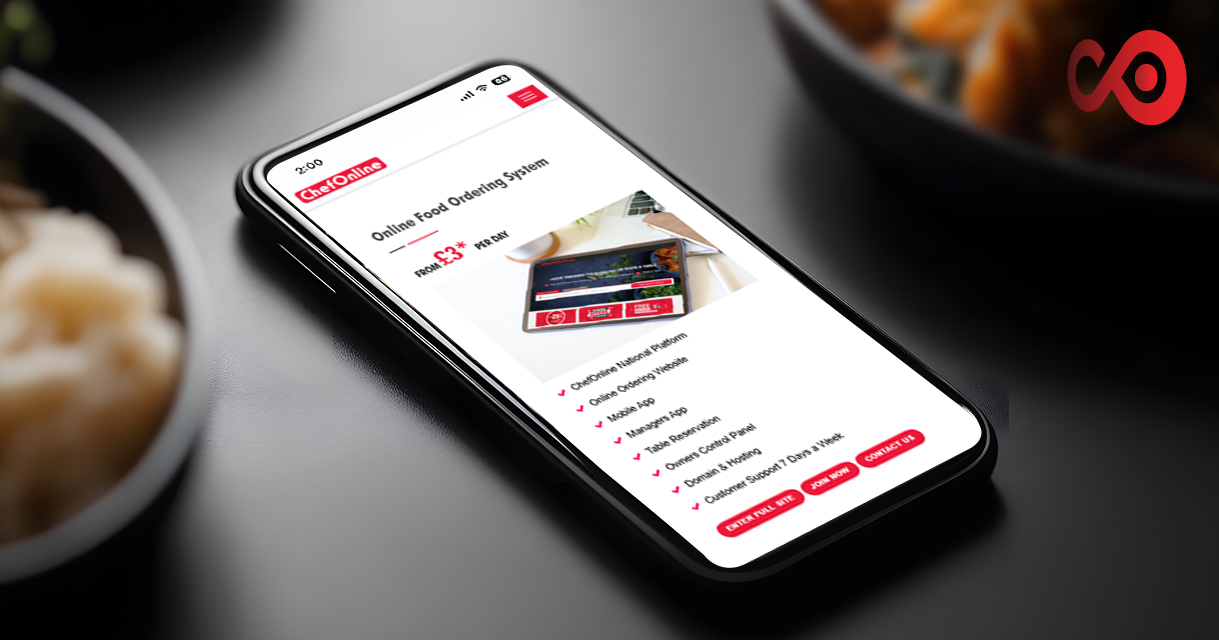
If you plan to offer deliveries, think about how customers will place their orders too. An online ordering system for takeaway can save you from answering endless phone calls, reduce order mistakes and make life easier for both you and your customers. The easier it is to order, the more likely people are to come back again.
Market Your Local Food Business and Attract Customers
You could make the best food in town, but if nobody knows you exist, sales will be slow. Marketing doesn’t have to cost a fortune. It’s really about getting your business in front of the right people and giving them a reason to come back.
Build a Strong Local Brand
Start with the basics. Pick a business name that’s easy to remember, create a simple logo and tell people who you are. Maybe your recipes have been in the family for years, or perhaps you specialise in healthier homemade meals. Stories like these help people connect with your business, and trust plays a big part in what customers choose to eat.
Use Local SEO to Reach Nearby Customers
Most people search online before deciding where to buy food. Set up your Google Business Profile, ask happy customers to leave reviews and include local keywords on your website and social media. Phrases like homemade cakes near me or local catering services can help your business appear when people nearby are ready to order.
Promote Through Community Channels
Don’t wait until launch day to tell people about your business. Share your journey on social media, join local Facebook groups and take part in community events or local food markets in the UK. You could even team up with nearby cafés, gyms or small businesses to reach more people. Word of mouth is still one of the best forms of marketing, especially when you’re just starting out.
Manage Daily Operations and Grow Your Food Business
Getting your first few customers is exciting, but keeping them coming back is what really helps your business grow. The more organised you are behind the scenes, the easier it becomes to manage orders and make a steady profit.
Track Sales, Costs and Profitability
Don’t guess whether your business is making money. Check your sales, ingredient costs and food waste every week. You might be taking plenty of orders, but if your costs keep creeping up, your profits can disappear without you noticing.
A simple spreadsheet is enough when you’re starting out. Keeping track of your numbers helps you spot problems early and make better decisions as your business grows.
Build Customer Loyalty
A new customer is great, but a returning customer is even better. Thank people for their orders, ask for feedback and make them feel valued. Small touches like loyalty discounts, seasonal specials or a monthly email with new menu items can encourage repeat business.
If you offer takeaway, an online ordering system for takeaway also makes reordering much easier. Customers are far more likely to come back if ordering only takes a few clicks.
Scale Your Food Business Successfully
Once orders become more consistent, you can start thinking about your next step. That could mean moving into a larger kitchen, taking on extra staff, supplying local shops or cafés, or expanding into new areas. Grow at a pace you can manage. It’s much better to build a solid reputation than to expand too quickly and struggle to keep up.
Final Thoughts
Learning how to start a local food business isn’t about having a professional kitchen or a huge budget. Plenty of successful food businesses began with one good recipe, a handful of loyal customers and a willingness to keep learning along the way.
Start small if you need to. Test your ideas, listen to customer feedback and don’t rush into spending money before you know what works. Make sure you understand the legal requirements, price your food properly and always put quality first. Those simple habits will give your business a much stronger chance of succeeding.
Every business grows at its own pace. Some stay as weekend side projects, while others turn into cafés, catering companies or well-known local brands. The important thing is to build solid foundations from the beginning and grow when you’re ready, not because you feel you have to.
Frequently Asked Questions
1. Can I start a food business from my home in the UK?
Yes. Many people begin by selling homemade food in the UK from their own kitchens. You’ll need to register your food business with your local authority and follow food hygiene and food safety regulations before you start trading.
2. Do I need a food business licence UK?
In many cases, you’ll need to register your business with your local council rather than apply for a specific food business licence. Depending on what you sell, there may be additional licences or permissions required.
3. How much money do I need to start a local food business?
It depends on the type of business. A home bakery or meal prep service can often be started with a modest budget, while catering businesses and food trucks usually require a much larger investment.
4. Where can I sell my food?
Many new businesses begin with pre-orders, social media, local food markets in the UK, community events or their own website before expanding into larger opportunities.
5. Is an online ordering system worth having?
Yes. An online ordering system for takeaway makes ordering easier for customers, reduces mistakes and saves you time compared with taking every order by phone or social media messages. It also gives your business a more professional image as it grows.