Running a restaurant has never been about serving good food alone. Customers now expect fast service, online ordering, contactless payments, accurate delivery times and a smooth experience from the moment they book a table until they leave a review. If your systems can’t keep up, even great food might not be enough to keep people coming back.
The good news is that you don’t need a huge budget or a team of IT experts to work smarter. The right restaurant technology solutions can save hours every week, reduce costly mistakes and help your staff focus on what matters most, your customers.
Whether you run a local café, an Indian takeaway or a busy restaurant with table service, investing in the right software can make everyday jobs much easier. Instead of chasing paper tickets, counting stock by hand or juggling bookings over the phone, technology handles many of those repetitive tasks for you.
Let’s look at the tools that are helping restaurants across the UK stay organised and profitable.
Why Restaurant Technology Matters
Restaurants are under pressure from every direction. Food prices continue to rise, staffing can be difficult, and customers expect quicker service than ever before.
Technology helps you keep everything moving without adding more work to your day.
A modern restaurant management software system brings together ordering, payments, stock control, customer information and reporting into one place. That means fewer manual jobs and fewer opportunities for mistakes.
The biggest advantages include:
- Faster service during busy periods.
- Better order accuracy.
- Lower operating costs.
- Happier customers.
- Better sales reporting.
- More chances to increase revenue.
Think of technology as another member of your team. It doesn’t replace people. It simply takes care of the repetitive jobs that slow everyone down.
Point of Sale (POS) Systems
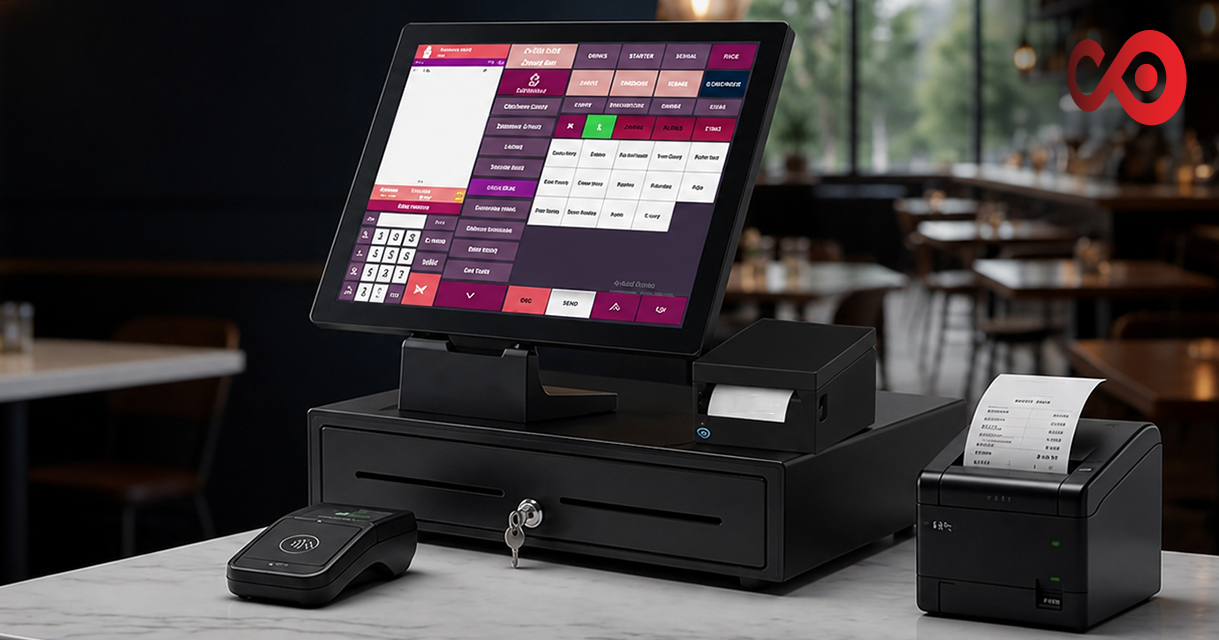
Your restaurant POS system is usually the first piece of technology worth investing in because almost everything runs through it. Today’s EPoS systems do much more than process card payments.
They allow staff to take orders on tablets, accept contactless payments, split bills, manage multiple locations and generate detailed sales reports. Orders can be sent straight to the kitchen, reducing handwritten mistakes and saving valuable minutes during busy service.
Imagine a Friday evening when every table is full. Instead of servers queuing at the till, they enter orders at the table, and the kitchen receives them instantly. Food starts cooking sooner, and customers spend less time waiting.
The reporting tools are equally useful. You can quickly see your busiest trading hours, best-selling dishes and highest-earning days without spending hours working through spreadsheets.
Reservation and Waitlist Management Software
Many restaurants still rely heavily on phone bookings, but online reservations have become the easier option for both customers and staff.
Reservation software, such as a table-booking platform, allows guests to book tables at any time of day. Automatic confirmations and reminder messages reduce forgotten bookings, while digital floor plans help staff seat customers more efficiently.
Virtual waitlists have also become popular. Instead of customers standing near the entrance wondering when they’ll be seated, they receive a text message when their table is ready. It creates a much better experience and keeps your front-of-house team free to welcome new guests.
One common mistake is accepting bookings through multiple channels without linking them. Double bookings are frustrating for everyone. Using one connected reservation system helps avoid those problems.
Kitchen Display Systems (KDS)
Communication between the front of house and the kitchen can make or break a busy service. A Kitchen Display System replaces printed tickets with digital order screens. As soon as an order is entered into your POS system, it appears on the kitchen display with any special requests, delivery details or allergy notes.
This simple change helps reduce missing tickets, unclear handwriting and unnecessary shouting between staff. Chefs can also update the status of each order as they work, so servers know exactly when meals are ready. It may seem like a small improvement, but during peak hours, those saved seconds quickly add up.
Inventory Management Software
One of the quickest ways to lose money is poor stock control. Many restaurant owners don’t realise how much food goes to waste until they start tracking it properly. This is where restaurant inventory software becomes valuable.
Instead of manually counting stock every week, the software updates ingredient levels automatically whenever a sale is made. It can alert you when products are running low, create purchase orders, compare supplier prices and even monitor waste.
For example, if chicken regularly sells out every Saturday evening, you’ll spot the pattern long before customers start hearing, “Sorry, we’ve run out.” Over time, you’ll also identify menu items that generate more waste than profit. That allows you to adjust portion sizes, review suppliers or even remove dishes that aren’t performing well.
Small improvements in stock management often lead to noticeable savings over the course of a year.
Customer Relationship Management (CRM) Tools
Getting someone to visit once is only half the job. The real value comes from turning first-time customers into regulars. That’s where restaurant CRM software comes in.
A CRM stores useful customer information such as favourite dishes, previous orders, birthdays, and visit history. This allows you to send relevant offers instead of generic promotions that everyone ignores.
For example, if a customer regularly orders vegetarian meals, sending them an offer for a new vegan menu makes much more sense than promoting a steak night.
Many CRM systems also include loyalty schemes, email campaigns and text message marketing. The aim isn’t to bombard customers with offers. It’s to stay in touch in a way that feels personal.
Restaurants often spend thousands attracting new customers while forgetting the people who already enjoy eating there. A good CRM helps you build stronger relationships with your existing customers, which is usually far more cost-effective.
Employee Scheduling and Payroll Software
Sorting staff rotas is one of those jobs that always seems simple until you’re doing it every week. Someone wants to swap shifts, another person calls in sick and suddenly you’re spending your evening trying to fill gaps instead of planning your business.
Scheduling software takes a lot of that stress away.
Most systems let you build rotas in minutes, notify staff through an app and track working hours automatically. Many also connect directly with payroll, so wages are calculated using actual hours worked rather than handwritten timesheets.
Another advantage is labour cost monitoring. If you’re regularly overstaffed during quieter periods, the software highlights the trend before it becomes an expensive habit.
A common mistake is creating rotas based on guesswork. Using sales data alongside staff scheduling helps you put the right number of people on shift without overspending.
Self-Service Ordering Technology
Customers are becoming more comfortable placing orders themselves, especially when they’re in a hurry. Self-service technology includes QR code ordering, self-order kiosks, mobile apps and digital menus. Instead of waiting for a member of staff to take an order, customers can browse the menu, customise their meal and pay from their phone or a kiosk.
For restaurants, this means shorter queues and fewer order-taking mistakes. It can also increase spending. Digital menus can suggest drinks, desserts, or side dishes at checkout, encouraging customers to add items they might not have ordered otherwise.
That doesn’t mean removing personal service. Staff simply have more time to welcome guests, answer questions and deal with anything technology can’t.
Online Ordering and Delivery Management Platforms
Takeaway and delivery have become a normal part of the restaurant business, making a reliable online food ordering platform more important than ever.
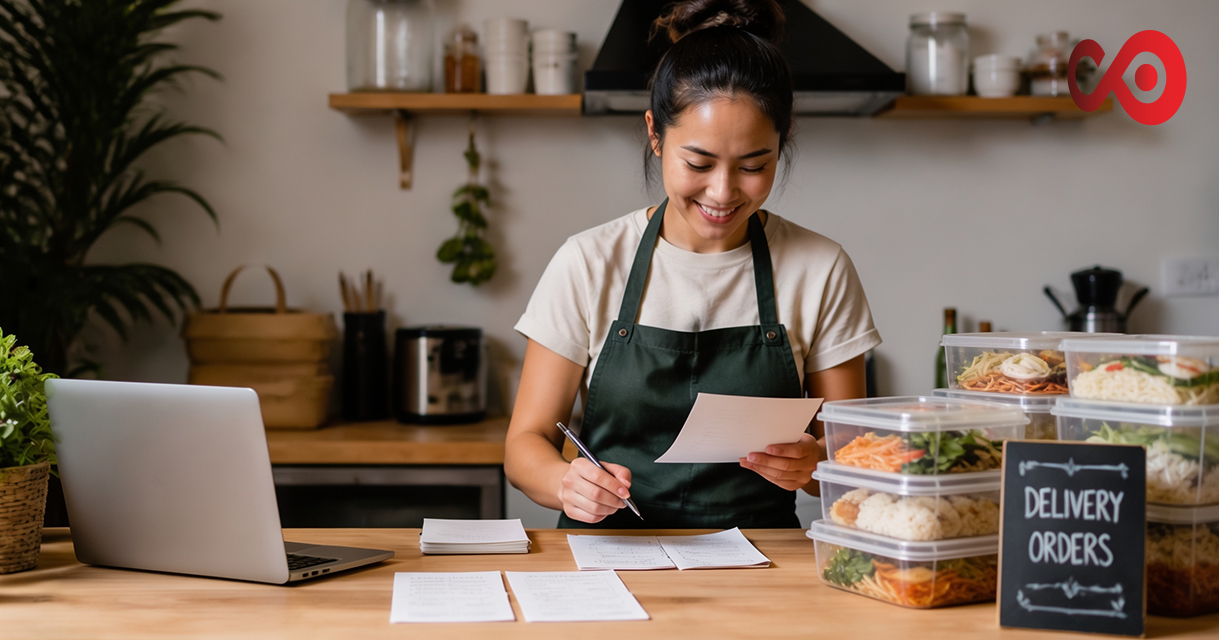
Many restaurants rely entirely on third-party delivery apps, but building your own online ordering system gives you much more control. Customers order directly from your website; you avoid paying commission on every sale, and you keep valuable customer data for future marketing.
Good platforms also offer menu synchronisation, order tracking and delivery management, so customers always know where their food is, and staff aren’t updating multiple menus every time prices change.
If takeaway is becoming a bigger part of your business, investing in your own ordering platform is often money well spent.
AI-Powered Restaurant Tools
Artificial intelligence isn’t something only large restaurant chains can use anymore. Many modern restaurant automation tools already use AI to help owners make better decisions.
For example, AI can analyse sales patterns to predict busy periods, helping you schedule the right number of staff and order the right amount of stock. Some systems can even forecast demand based on weather, holidays or previous trading data.
AI-powered chatbots are another useful addition. They can answer common customer questions about opening times, bookings, allergens or delivery areas without tying up your staff on the phone.
The key is to use AI where it saves time, not where it replaces the personal service your customers value.
Final Thoughts
The best restaurant technology solutions aren’t about replacing people. They’re about helping your team work more efficiently while giving customers a better experience.
You don’t need to introduce every system overnight. Start with the areas causing the biggest headaches, whether that’s payments, stock management, online ordering or staff scheduling. As your business grows, your technology can grow with it.
The restaurants that stay organised behind the scenes are often the ones that deliver the smoothest experience for customers. And when your operation runs well, you’re in a much stronger position to increase profits, build customer loyalty and prepare for whatever comes next.
Frequently Asked Questions
1. What is the most important technology for a restaurant?
For most restaurants, a modern restaurant EPOS system is the foundation. It manages orders, payments, reporting and often integrates with other business tools.
2. Is restaurant management software worth the investment?
Yes. Good restaurant management software can reduce manual work, improve efficiency, cut waste and provide useful business insights that help increase profitability.
3. How does restaurant inventory software reduce food waste?
It tracks stock levels in real time, highlights slow-moving ingredients, monitors waste and helps you order more accurately, reducing unnecessary spending.
4. Why should restaurants have their own online food ordering platform?
Having your own platform reduces commission fees, gives you access to customer data and allows you to build loyalty without depending entirely on third-party delivery apps.
5. Can small independent restaurants benefit from AI tools?
Absolutely. Many affordable AI-powered tools help with sales forecasting, staff scheduling, customer support and reporting, making them useful for businesses of all sizes.