Opening a restaurant is one thing. Getting people to actually walk through the door is another. Many restaurant owners spend months perfecting their menus, designing their dining areas, and training their staff. Then opening day arrives, and the reality hits. The food might be great, but if nobody knows you’re there, tables stay empty.
If you’re wondering how to bring customers to a new restaurant, the answer isn’t a single advert or social media post. It’s usually a combination of local restaurant promotion, word of mouth, online visibility, and giving people a reason to choose you over the takeaway they’ve been ordering from for years.
The good news is that you don’t need a huge marketing budget to get started. Many successful Indian restaurants in the UK built their customer base by focusing on their local area first and staying consistent with their restaurant marketing efforts.
In this guide, you’ll learn practical ways to attract restaurant customers, build awareness in your community, and keep people coming back after their first visit.
Why Attracting Customers Is Crucial During the First Few Months
The first few months can make or break a new restaurant. When people see a new restaurant open in their area, they usually fall into one of two groups. Some will try it straight away because they’re curious. Others will wait to hear what people are saying before giving it a chance.
That means your early customers matter more than you might think. A busy restaurant creates interest. People walking past see tables occupied and assume the food must be worth trying. On the other hand, an empty dining room can have the opposite effect.
Early customers also help generate:
- Online reviews
- Social media mentions
- Local recommendations
- Repeat orders
- Delivery sales
Simply put, the quicker you can get those first customers through the door, the quicker your reputation starts growing. The restaurants that do well during their first year are rarely the ones with the biggest marketing budget. They’re usually the ones that stay visible and give customers a reason to talk about them.
Build Strong Local Visibility
One of the biggest mistakes new restaurant owners make is trying to market to everyone. Your first customers are usually local people. The families living nearby. The office workers around the corner. The people searching for an Indian takeaway on a Friday evening. That’s why local visibility should be your first priority.
Optimise Your Google Business Profile
If someone searches “Indian restaurant near me” or “best curry takeaway nearby”, Google Business Profile is often the first thing they see.
Accurate Business Information
This sounds obvious, but many restaurants get it wrong.
Make sure your:
- Opening hours are correct
- Phone number works
- Website link is active
- Address is accurate
- Delivery areas are listed
You’d be surprised how many potential customers move on simply because they can’t find basic information.
Menu, Photos, and Reviews
People want to know what they’re ordering before they spend their money. Upload clear photos of your most popular dishes. Add your menu. Keep everything updated.
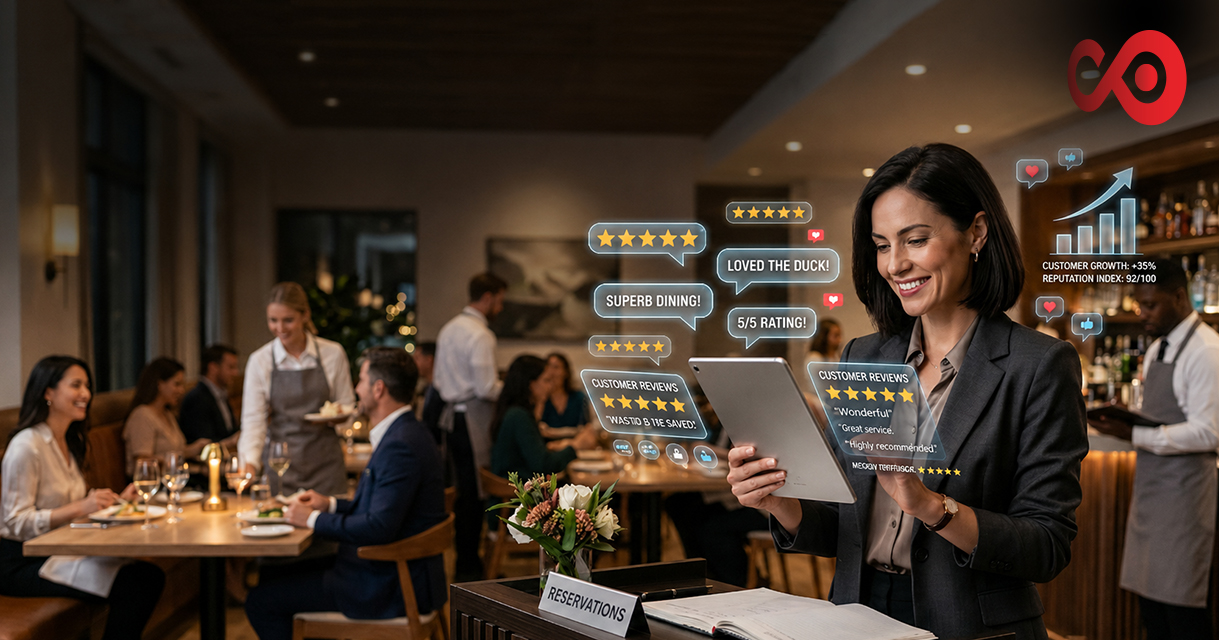
Reviews are especially important. A new customer deciding between two Indian restaurants will almost always choose the one with positive reviews. A simple way to get more reviews is to ask happy customers directly. Most people are willing to leave feedback if they’ve had a good experience.
Use Hyper-Local Social Media Advertising
Social media advertising works best when you keep it local.
Facebook and Instagram Ads
You don’t need to advertise to an entire city. Instead, create ads showing your food, your restaurant, and your opening offers. Then target people who live nearby.
Even a small weekly budget can put your restaurant in front of thousands of local residents.
Target Nearby Customers Within a Few Miles
If your delivery radius is three miles, focus your advertising there first. There’s no point paying to reach people who are unlikely to visit or order from you.
Many restaurant owners make the mistake of going too broad. Start small. Dominate your immediate area first.
Share Engaging Visual Content
Food is one of the easiest products in the world to market visually. People often decide what they want to eat long before they’ve seen the menu.
Food Photography
You don’t necessarily need an expensive photographer. Good lighting and well-presented dishes can go a long way.
Show customers what they can expect. Whether it’s a sizzling mixed grill, a creamy butter chicken, or freshly baked naan, let the food do some of the selling.
Behind-the-Scenes Videos
Some of the best-performing restaurant content isn’t polished at all. Short clips from the kitchen, staff preparing dishes, or a busy Friday evening service often get more engagement because they feel real. People like seeing what happens behind the scenes.
Local Influencer Collaborations
You don’t need celebrities. Many local food bloggers and content creators have highly engaged audiences in your area. Invite them in for a meal and let them share their experience honestly. One recommendation from someone local can bring in dozens of first-time customers.
Attract First-Time Customers
Getting attention is one thing. Giving people a reason to try you is another. Most customers already have a favourite takeaway or restaurant. Your job is to convince them to give yours a chance.
Host a Soft Opening
A soft opening is basically a practice run before your official launch.
Invite Local Residents, Businesses, and Influencers
Offer discounted meals or sample dishes to nearby residents, local business owners, and community figures. Not only do you get valuable feedback, but you also create early word of mouth.
A lot of successful restaurants fill their first few weeks with customers who heard about them through these early visits.
Launch Grand Opening Promotions
People love trying something new when there’s a special offer attached.
Discounts
A launch discount can encourage customers who are sitting on the fence.
Free Signature Dishes
If you have a dish you’re particularly proud of, give customers a chance to try it. That first positive experience often leads to future orders.
Limited-Time Offers
People respond to urgency. An opening offer that ends in seven days tends to perform much better than one that’s available forever.
Create Memorable Experiences
Good marketing gets customers through the door. The experience determines whether they come back.
Organise Special Events
Restaurants that give customers something extra often stand out from the competition.
Live Music
A live music evening can attract new visitors and encourage longer stays.
Trivia Nights
Quiz nights are excellent for bringing groups together during quieter periods.
Seasonal Promotions
Think beyond Christmas. Diwali specials, Eid menus, Valentine’s offers, and Father’s Day promotions can all generate extra interest throughout the year.
Partner With the Local Community
People naturally support businesses that support their area.
Sponsor Local Events
Community fairs, sports teams, charity fundraisers, and school events all offer opportunities to raise awareness.
Collaborate With Nearby Businesses
A gym, cinema, office complex, or local shop could become a valuable referral partner. The more visible your restaurant is in the community, the easier it is to attract customers consistently.
FAQ
How can I bring customers to a new restaurant quickly?
Start with Google Business Profile optimisation, local social media advertising, opening promotions, and community partnerships. These tactics generate awareness and encourage first-time visits.
What is the most effective restaurant marketing strategy?
A combination of local SEO, social media marketing, customer reviews, and email marketing usually produces the best long-term results.
How much should a new restaurant spend on advertising?
Most new restaurants allocate between 3% and 10% of projected revenue to marketing during the launch phase, depending on competition and location.
Why are online reviews important for restaurants?
Reviews build trust and improve local search visibility. Many customers read reviews before deciding where to eat or order from.