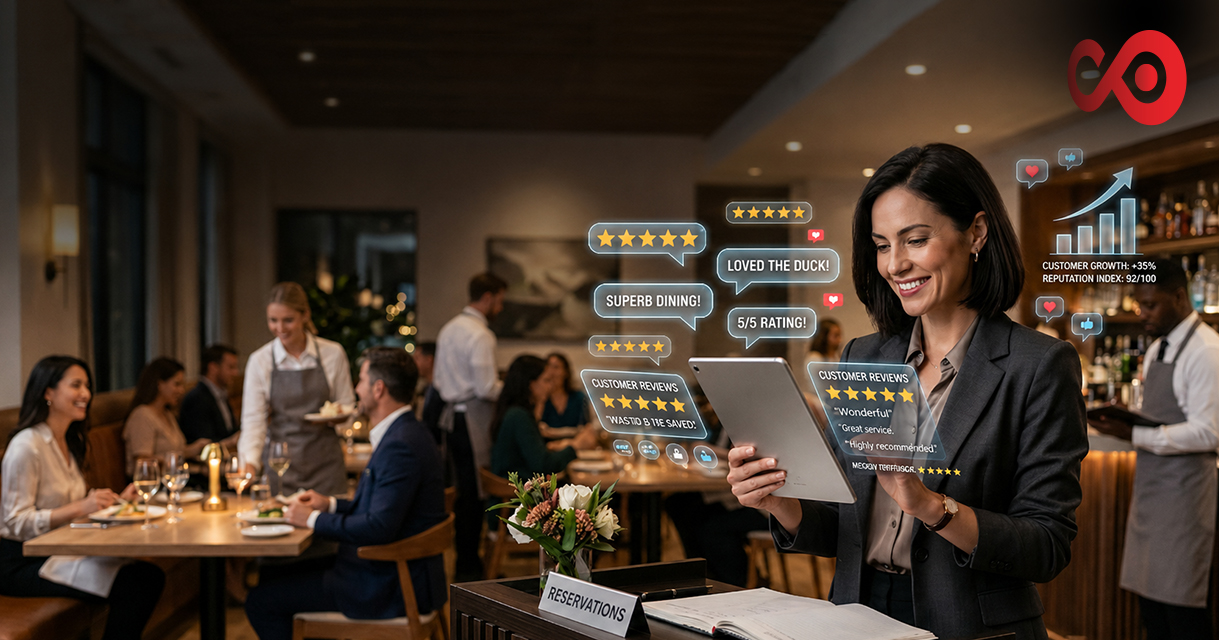
A few years ago, people would ask their friends where to eat. Today, they check Google. Before a customer books a table, orders a takeaway, or visits your restaurant for the first time, there’s a good chance they’ve already read your reviews. They may have looked through your Google rating, checked comments on social media, or scanned delivery app feedback.
That’s why Restaurant Reputation Management has become such a big part of running a successful restaurant.
You could serve great food every day, but if your online reputation tells a different story, customers may never walk through the door. On the other hand, even a small restaurant can attract more customers by building trust online and responding well to feedback.
In this guide, you’ll learn how to manage your restaurant brand reputation, deal with customer reviews properly, and turn feedback into a tool that helps your business grow.
What Is Restaurant Reputation Management?
Restaurant Reputation Management is the process of monitoring, managing, and improving how customers see your restaurant online. It includes everything from replying to reviews and handling complaints to tracking social media mentions and improving customer experiences based on feedback.
Understanding Online Brand Perception
Whether you actively manage it or not, people are already talking about your restaurant online.
Google Reviews
For many customers, Google is the first place they visit. A rating difference between 4.7 stars and 3.8 stars can have a huge impact on whether someone chooses your restaurant.
Delivery App Ratings
Customers ordering through an online food delivery system often make decisions within seconds. Ratings on delivery apps can influence whether your restaurant gets selected or skipped.
Social Media Mentions
A customer posting photos of their meal on Instagram can bring new business. A complaint shared publicly can spread just as quickly.
Your online reputation is being shaped every day through these channels.
Why Reputation Impacts Revenue
Good reviews do more than make you feel good. They help generate sales.
Customer Trust and Booking Decisions
People trust other customers. Research consistently shows that online reviews influence buying decisions almost as much as personal recommendations.
If your restaurant has hundreds of positive reviews, new customers feel more comfortable trying it.
Influence on Repeat Business
A customer who sees you respond professionally to feedback is more likely to return. Many restaurant owners focus heavily on attracting new customers. Often, keeping existing customers happy is the faster route to increasing revenue.
Monitor Every Online Review Platform
You cannot manage what you don’t monitor. Many restaurant owners only check Google Reviews and miss conversations happening elsewhere.
Track Major Review Platforms
Keep an eye on:
Google Reviews
The most important platform for local search visibility and trust.
TripAdvisor
Particularly important for restaurants located in tourist areas.
Yelp
Still widely used in certain markets and industries.
Set aside ten minutes each day to check these platforms.
Monitor Delivery Apps
For takeaway-focused businesses, delivery apps matter just as much as Google.
JustEat
Customers regularly leave feedback on food quality, packaging, and delivery experience.
ChefOnline
Ratings can affect customer confidence and future orders.
Uber Eats
Reviews often highlight consistency and delivery performance.
Deliveroo
Customers frequently comment on speed, food presentation, and order accuracy.
Use Social Media Listening
Customers don’t always leave formal reviews. Many simply leave comments or mention your business online.
Facebook Comments
Monitor posts, recommendations, and comments regularly.
Instagram Mentions
Customers often tag restaurants in stories and photos.
TikTok and X Feedback
A single video can reach thousands of potential customers overnight. Even small mentions can provide valuable feedback from restaurant customers.
Respond to Customer Reviews Professionally
One of the biggest mistakes restaurant owners make is ignoring reviews completely. Customers notice when businesses respond.
Reply to Positive Reviews
Positive reviews deserve attention too.
Thank Customers Personally
Avoid copying and pasting the same message repeatedly. Mention the customer’s name and reference something from their review.
Encourage Repeat Visits
A simple response such as “We’re glad you enjoyed the Sunday roast and hope to see you again soon” feels genuine.
Handle Negative Reviews Carefully
Negative reviews are part of business. The goal is not to avoid them completely. The goal is to handle them well.
Respond Within 24–48 Hours
Fast responses show customers that you care.
Acknowledge Customer Concerns
Even if you disagree with parts of the review, start by recognising their experience.
Offer Solutions Professionally
Invite the customer to continue the conversation privately and work towards a solution. A calm response often impresses future customers more than the original review itself.
Avoid Generic Responses
Customers can spot copy-and-paste replies immediately. Personal responses help build trust and strengthen your restaurant’s online reviews profile.
Turn Negative Feedback Into Customer Loyalty
A complaint isn’t always a lost customer. Sometimes it creates an opportunity.
Offer Win-Back Incentives
If a genuine mistake occurred, consider offering:
Discounts
A discount on a future visit can rebuild goodwill.
Complimentary Dishes
A free starter or dessert often leaves a positive impression.
Future Visit Offers
Give customers a reason to come back and give you another chance.
Resolve Issues Quickly
The faster problems are resolved, the less likely customers are to leave lasting negative impressions. Speed matters almost as much as the solution itself.
Encourage More Positive Reviews
Many happy customers never leave reviews unless they’re asked.
Ask Customers for Reviews
Train staff to politely request feedback after a positive dining experience. Most customers are willing to help if asked nicely.
Use QR Codes and Review Links
Place QR codes on receipts, menus, or table cards. The easier the process, the more reviews you’ll receive.
Promote Reviews on Social Media
Share customer success stories, positive comments, and testimonials. Social proof encourages others to leave feedback too.
Use Customer Feedback to Improve Operations
Reviews provide valuable information about what’s happening inside your business.
Identify Common Complaints
Look for patterns.
Slow Service
Repeated comments about waiting times may signal staffing issues.
Food Quality Issues
Consistency problems often appear in reviews before management notices them internally.
Delivery Delays
Late deliveries can damage ratings quickly.
Improve Internal Processes
Once patterns become clear, take action.
Staff Training
Additional training can improve service standards.
Kitchen Workflow Adjustments
Simple operational changes often solve recurring problems. The best online reputation management strategy for restaurants combines listening with action.
Final Thoughts
Restaurant Reputation Management is no longer optional. Customers research restaurants before spending money, and your online reputation often shapes their first impression.
By monitoring reviews, responding professionally, encouraging feedback, and using customer comments to improve operations, you create a stronger business that customers trust.
The restaurants that win online aren’t always the biggest ones. They’re often the ones who listen, respond, and consistently deliver a good experience both in person and online.
Frequently Asked Questions
How important are Google reviews for restaurants?
Google reviews are one of the biggest factors influencing customer decisions. Strong ratings help build trust and improve local search visibility.
How quickly should restaurants respond to negative reviews?
Aim to respond within 24 to 48 hours whenever possible.
Can negative reviews actually help a restaurant?
Yes. Constructive criticism can highlight areas for improvement and show future customers how professionally you handle issues.
How can I get more customer reviews?
Ask satisfied customers directly, use QR codes, and make the review process simple and convenient.