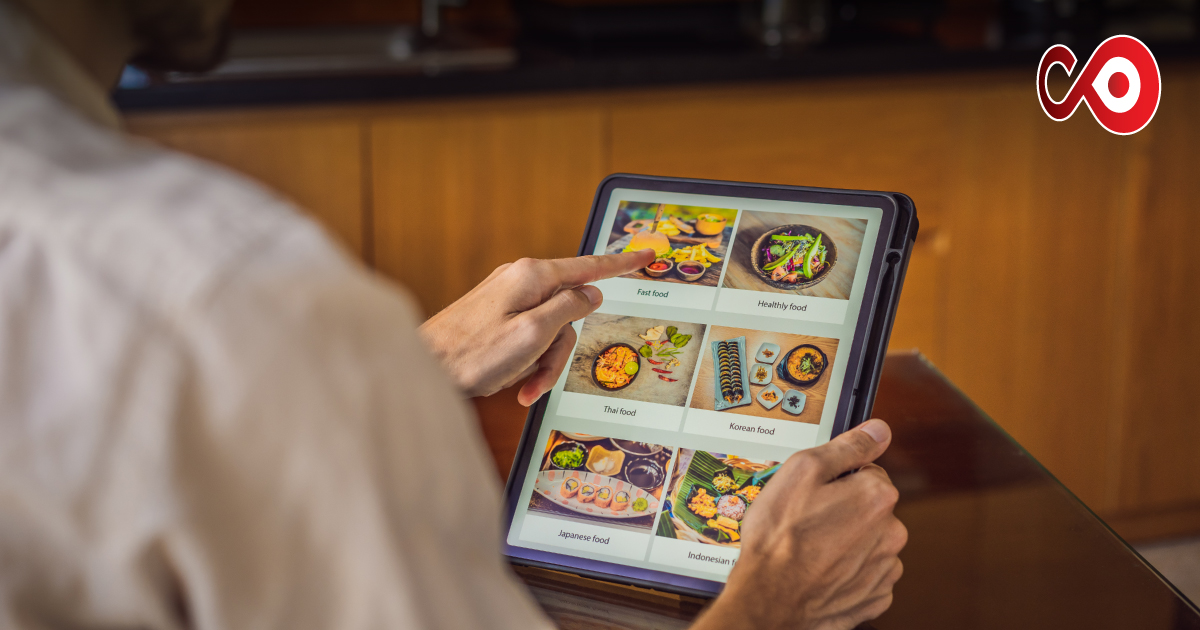
The restaurant industry is entering a new era of digital transformation. While food quality, service, and reputation remain the foundations of hospitality success, technology is increasingly a key factor in how restaurants attract customers, manage operations, and build long-term relationships.
For many years, digital adoption in restaurants focused mainly on accepting online orders. Today, technology’s role has expanded significantly. Modern restaurant platforms help businesses manage customer journeys, improve operational efficiency, and strengthen their digital presence.
For independent restaurants, this evolution represents both a challenge and an opportunity. The businesses that successfully combine great food with effective digital experiences are better positioned to meet changing customer expectations and compete in an increasingly connected marketplace.
How Digital Technology Has Changed Customer Behaviour
The way customers discover and interact with restaurants has changed dramatically.
A customer’s journey often begins online. Before choosing where to order or dine, people increasingly expect to:
- search for restaurants digitally,
- view menus online,
- compare options,
- place orders quickly,
- make secure payments,
- receive a convenient ordering experience.
Research from the Food Standards Agency (FSA) highlights the continued growth of digital food purchasing behaviour, with consumers increasingly using restaurant websites and online ordering platforms.
This shift means restaurants are no longer competing only through location and reputation. They are also competing through online visibility, digital convenience, and the ability to create seamless customer experiences.
Why Online Ordering Is Only One Part of Restaurant Growth
Online ordering has become essential, but successful digital transformation requires more than adding an ordering function.
The next stage of restaurant technology focuses on connecting different parts of the customer experience:
- discovering a restaurant,
- browsing menus,
- placing orders,
- encouraging repeat visits,
- understanding customer preferences.
This is why integrated restaurant platforms are becoming increasingly important.
Rather than managing separate systems for ordering, marketing, customer communication and reporting, restaurants are looking for solutions that bring these functions together.
The result is a more connected digital ecosystem where technology supports both customer convenience and business growth.
The Growing Importance of Direct Customer Relationships
Third-party marketplaces have played an important role in helping restaurants reach new audiences. Their visibility and convenience have changed how customers discover and order food.
However, many restaurants are now placing greater importance on building stronger direct relationships with customers.
A direct digital connection allows restaurants to better understand:
- customer preferences,
- ordering habits,
- repeat purchase behaviour,
- engagement opportunities.
This information helps restaurants create better experiences and develop long-term loyalty.
The future of hospitality technology is unlikely to be based on choosing between marketplaces and direct ordering. Instead, successful restaurants will increasingly use a combination of digital channels to attract new customers while strengthening relationships with existing ones.
What Should Restaurants Consider When Choosing a Technology Partner?
As more technology providers enter the hospitality sector, restaurants need to look beyond basic ordering functionality.
A suitable technology partner should support several areas of business growth.
A Complete Digital Ordering Experience
Customers expect fast and simple ordering journeys. A modern platform should let restaurants offer convenient digital ordering while maintaining their brand identity.
Integration With Restaurant Operations
Technology should work alongside existing operations. Integration with systems such as EPoS can help restaurants manage orders more efficiently and reduce unnecessary manual processes.
Marketing and Customer Visibility
Digital success depends not only on technology but also on discoverability. Search optimisation, digital advertising and social media activity are becoming increasingly important parts of restaurant growth.
Platforms that combine ordering technology with marketing expertise can provide additional value for independent restaurants.
For example, ChefOnline combines restaurant technology with digital growth services, including online ordering, restaurant websites, EPOS integration, SEO, digital marketing, social media marketing, analytics and business support.
ChefOnline also operates as a Google Business Partner digital marketing agency and is a member of the Meta Business Partner programme, reflecting the increasing connection between restaurant technology and digital visibility.
Security and Reliability
As restaurants handle more digital transactions and customer information, security has become a major consideration.
Technology providers with recognised security standards demonstrate a stronger commitment to protecting business and customer data.
ChefOnline holds ISO/IEC 27001:2022 certification for information security and data protection, alongside ISO 9001:2015 certification for quality management and continuous improvement.
These types of standards highlight the growing importance of trust and reliability when choosing digital technology providers.
The Move Towards Integrated Restaurant Growth Platforms
The future of restaurant technology is moving away from disconnected tools and towards integrated platforms.
Restaurants increasingly need solutions that combine:
- ordering technology,
- customer engagement,
- marketing capability,
- operational support,
- business insights.
This approach is particularly valuable for independent restaurants, which often need enterprise-level digital capabilities without the complexity of managing multiple suppliers.
An integrated technology approach allows restaurants to focus on delivering excellent food experiences while using digital tools to improve efficiency and customer engagement.
What Does the Future of Restaurant Technology Look Like?
The next phase of restaurant technology will focus on more personalised, connected experiences.
Future developments are likely to include:
- smarter digital recommendations,
- more personalised customer journeys,
- improved restaurant analytics,
- stronger loyalty systems,
- greater automation,
- better integration between ordering and marketing.
The restaurants that succeed will be those that view technology as more than an operational tool. Digital platforms are becoming essential to building customer relationships and driving sustainable business growth.
The future of hospitality will belong to businesses that combine excellent food with convenient, reliable and intelligent digital experiences.
Frequently Asked Questions
What is restaurant digital transformation?
Restaurant digital transformation is the use of technology to improve restaurant operations, customer experiences and business growth. It includes areas such as online ordering, digital menus, marketing tools, customer engagement and analytics.
Why are restaurants investing in digital platforms?
Restaurants are investing in digital platforms because customers increasingly expect convenient online experiences. Technology helps businesses improve accessibility, streamline operations and build stronger relationships with customers.
Should restaurants rely only on third-party ordering marketplaces?
Many restaurants use marketplaces to attract new customers while also building direct digital channels that strengthen customer relationships and encourage repeat business.
What features should restaurants look for in a technology platform?
Restaurants should consider online ordering, website integration, operational tools, marketing support, analytics, customer engagement features and security standards.
How can restaurant technology help independent businesses grow?
Restaurant technology can help independent businesses improve visibility, create better customer experiences, manage operations more efficiently and build long-term digital relationships.