The UK takeaway industry continues to grow as customers increasingly look for convenient, affordable, and high-quality food options that fit into their busy lifestyles. From traditional fast-food outlets to modern delivery-focused kitchens, takeaway businesses have become an important part of the UK food sector.
However, successfully launching a takeaway requires more than serving great food. A profitable takeaway business depends on careful planning, understanding customer demand, meeting legal requirements, choosing the right location, investing in efficient technology, and building a strong digital presence.
For entrepreneurs researching how to start a fast food takeaway business, the opportunity can be rewarding with the right strategy. Whether you are planning a small independent outlet or a larger food takeaway business UK customers can rely on, preparation is the foundation of long-term success.
Research the Market Before You Start
Before investing in premises, equipment, and stock, understand the market you are entering.
Every successful takeaway begins with knowing your customers. Understanding local demand helps you decide what type of food to offer, how to price your menu, and how to differentiate your business from competitors.
A strong market research process can help identify opportunities, reduce risks, and create a clearer direction for your takeaway business.
Identify Popular Food Trends
Consumer preferences keep changing, and successful takeaway businesses adapt to these shifts.
When planning to start a takeaway business that UK customers will choose regularly, consider:
- Popular fast-food categories in your area
- Local customer preferences
- Dietary requirements
- Delivery trends
- Emerging food concepts
Many customers today look for more than convenience. They value quality ingredients, clear menus, online ordering options, and reliable service.
Understanding these expectations can help your takeaway create an offering that attracts repeat customers.
Analyse Competitors
Competitor research provides valuable insight into what already works in your local market.
Review nearby takeaway businesses and analyse:
- Menu pricing
- Food quality
- Delivery options
- Customer reviews
- Promotions
- Online presence
Look for gaps in the market. Perhaps customers want faster delivery, better online ordering, improved service, or a type of cuisine that is currently limited in your area.
Finding the right opportunity can help your business stand out.
Create a Business Plan for Your Takeaway
A detailed business plan provides direction and helps turn an idea into a practical operation.
Many new owners focus heavily on food preparation but underestimate the importance of financial planning, marketing, and operational structure.
A strong takeaway business plan should include:
- Business concept
- Target audience
- Startup costs
- Equipment requirements
- Pricing strategy
- Revenue projections
- Marketing approach
- Future growth plans
Understanding your expected costs and potential income allows you to make informed decisions before opening.
For anyone exploring how to open a takeaway shop, a business plan is one of the most important tools for building a sustainable foundation.
Understand the Legal Requirements
Opening a takeaway business in the UK requires meeting several legal and regulatory obligations. Compliance is not only a legal responsibility; it also builds customer trust and helps protect your reputation.
Register Your Food Business
Before opening, you must register your food business with your local authority. Food businesses in the UK generally must register at least 28 days before trading begins. This allows local authorities to understand the type of food business operating in their area and arrange any required inspections.
Register With HMRC
You will also need to decide your business structure.
Common options include:
- Sole trader
- Limited company
Each option has different responsibilities relating to taxation, reporting, and business management. Registering correctly with HMRC ensures your takeaway operates legally from the beginning.
Planning Permission and Property Use
Before signing a lease, check whether the property is suitable for takeaway use.
You may need to consider:
- Planning permission
- Change of use requirements
- Building regulations
- Extraction requirements
A property that appears suitable may still require approval before you can begin food operations.
Obtain a Late-Night Refreshment Licence
If your takeaway plans to serve hot food or drinks between 11 PM and 5 AM, you may require a late-night refreshment licence.
Check your local council requirements before finalising your opening hours.
Meet Food Hygiene and Safety Standards
Food safety is one of the most important responsibilities for any takeaway business. Customers expect safe, high-quality food, and maintaining strong hygiene standards protects both customers and your reputation.
Food Hygiene Certification
Staff should receive appropriate food safety training to ensure they understand:
- Safe food handling
- Storage requirements
- Cross-contamination prevention
- Cleaning procedures
Training helps create consistent standards across your operation.
Environmental Health Inspection
Your local authority will assess your takeaway through environmental health inspections.
Businesses should prepare by ensuring:
- Kitchen areas are clean
- Food storage is organised
- Procedures are documented
- Staff understand safety requirements
The Food Hygiene Rating Scheme also helps customers make informed choices when selecting food businesses.
Food Safety Management Systems
A structured food safety system helps businesses maintain consistency.
Many UK food businesses use systems such as Safer Food, Better Business (SFBB) to manage:
- Food safety procedures
- Temperature records
- Cleaning schedules
- Compliance documentation
Choose the Right Location and Premises
Location can significantly influence takeaway success.
When choosing premises, consider:
- Foot traffic
- Local population
- Delivery demand
- Parking availability
- Visibility
- Competition nearby
- Commercial ventilation requirements
A location with strong delivery potential can be just as valuable as one with high walk-in traffic.
Invest in Essential Takeaway Equipment
The right equipment helps your team operate efficiently and maintain food quality.
Essential takeaway equipment may include:
- Commercial fryers and grills
- Refrigeration units
- Extraction systems
- Food preparation stations
- Storage equipment
- POS and EPOS systems
A reliable EPOS system helps manage orders, improve accuracy, and streamline operations.
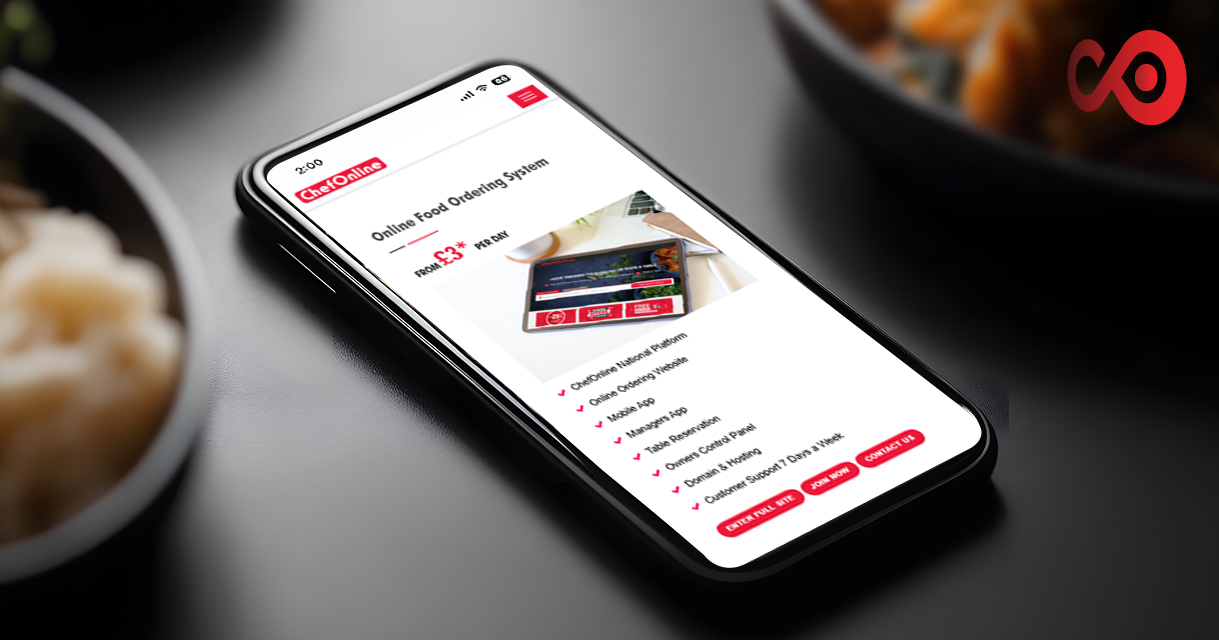
Solutions such as ChefOnline EPOS help restaurants manage daily operations more efficiently while supporting better customer experiences.
Build an Efficient Delivery and Ordering System
Modern takeaway businesses depend heavily on digital ordering. Customers increasingly expect the ability to browse menus, place orders, and make payments online.
Join Popular Delivery Platforms
Delivery platforms can help new businesses reach customers quickly and increase visibility.
However, restaurants should also consider building their own direct ordering channels to strengthen customer relationships.
Offer Direct Online Ordering
Having your own online ordering system provides several benefits:
- Better customer relationships
- More control over branding
- Direct communication with customers
- Reduced dependence on third-party platforms
A strong online restaurant booking system and ordering solution can help businesses create smoother customer journeys and improve repeat business.
Develop a Strong Online Presence
A successful takeaway business needs more than a physical location. Customers often discover restaurants online before deciding where to order. A strong digital presence helps businesses attract and retain customers.
Set Up a Google Business Profile
A Google Business Profile helps customers find your takeaway when searching locally.
It allows businesses to showcase:
- Location
- Opening hours
- Reviews
- Photos
- Contact information
Positive reviews and accurate information can improve local visibility.
Create a Mobile-Friendly Website
Many takeaway orders happen through mobile devices.
Your website should make it easy for customers to:
- View menus
- Understand pricing
- Place orders
- Find contact information
A smooth online experience can directly influence whether customers complete an order.
Use Social Media Marketing
Platforms such as Instagram, TikTok, and Facebook can help takeaway businesses:
- Showcase food
- Promote offers
- Engage customers
- Build brand recognition
Consistent content helps businesses remain visible and encourage repeat visits.
Final Thoughts
Starting a fast food takeaway business in the UK can be an exciting opportunity, but success depends on careful preparation.
From researching your market and creating a business plan to meeting regulations, choosing the right premises, investing in technology, and building your online presence, every decision contributes to long-term growth.
For entrepreneurs exploring how to start a fast food takeaway business, the most successful operators combine quality food with efficient systems, strong customer service, and digital solutions that make ordering simple.
Technology, marketing, and operational efficiency are now essential parts of running a modern takeaway business. With the right strategy and the right tools, new takeaway owners can build businesses that attract customers and grow sustainably.
Frequently Asked Questions
How much does it cost to start a takeaway business in the UK?
The cost varies depending on location, equipment, premises, staffing, and business model. A detailed business plan can help estimate startup costs accurately.
Do I need a licence to open a takeaway in the UK?
Yes. You may need food business registration, planning approval, and potentially a late-night refreshment licence depending on your operating hours.
What equipment do I need to start a takeaway business?
Most takeaways require commercial cooking equipment, refrigeration, preparation areas, extraction systems, and an EPOS system for managing orders.
Is an online ordering system important for takeaway businesses?
Yes. An online ordering system helps customers order conveniently while allowing restaurants to improve efficiency and build stronger customer relationships.
How can I attract customers to a new takeaway business?
A combination of quality food, local SEO, social media marketing, online ordering, customer reviews, and promotional campaigns can help attract customers.