Online ordering is now an important revenue channel for UK hospitality businesses. Customers expect fast menus, secure payments and convenient delivery or collection.
However, restaurant owners need more than a simple ordering page. The right system should protect profit margins and simplify daily operations. It should also support customer retention and long-term brand growth.
Some platforms operate as large food delivery marketplaces. Others provide restaurants with branded websites, apps and direct ordering tools. Several providers also offer EPoS integration, marketing and delivery management.
This guide examines ten online food ordering systems available to UK restaurants. It explains their different models and helps operators make an informed decision.
Why Restaurants Need the Right Online Ordering System
An online food ordering system allows customers to browse menus and place orders digitally. Orders may be made for delivery, collection, dine-in or advance booking.
For restaurants, the platform can reduce telephone orders and avoid misunderstandings. Digital menus also make upselling sides, drinks and desserts easier.
Yet not every online order delivers the same profit. Marketplace commission, payment charges and promotional costs can reduce the final margin.
Restaurant owners should consider the whole customer journey. This includes discovery, ordering, payment, preparation, delivery and repeat marketing.
The best platform is not always the one generating the most orders. It is the platform producing sustainable and profitable customer relationships.
Top 8 Online Food Ordering Systems for UK Restaurants
1. ChefOnline
ChefOnline provides online ordering and restaurant technology for UK hospitality businesses.
The platform is designed for independent restaurants, takeaways and cafés. It helps businesses accept online orders while developing their own digital presence.
ChefOnline combines customer ordering tools with operational and marketing services. This reduces the need to manage several unrelated suppliers.
Its online ordering package is currently advertised from £3 per day. Pricing and package conditions should be confirmed before joining.
Key ChefOnline Services
ChefOnline provides access to:
- A branded restaurant ordering website
- The ChefOnline nationwide ordering platform
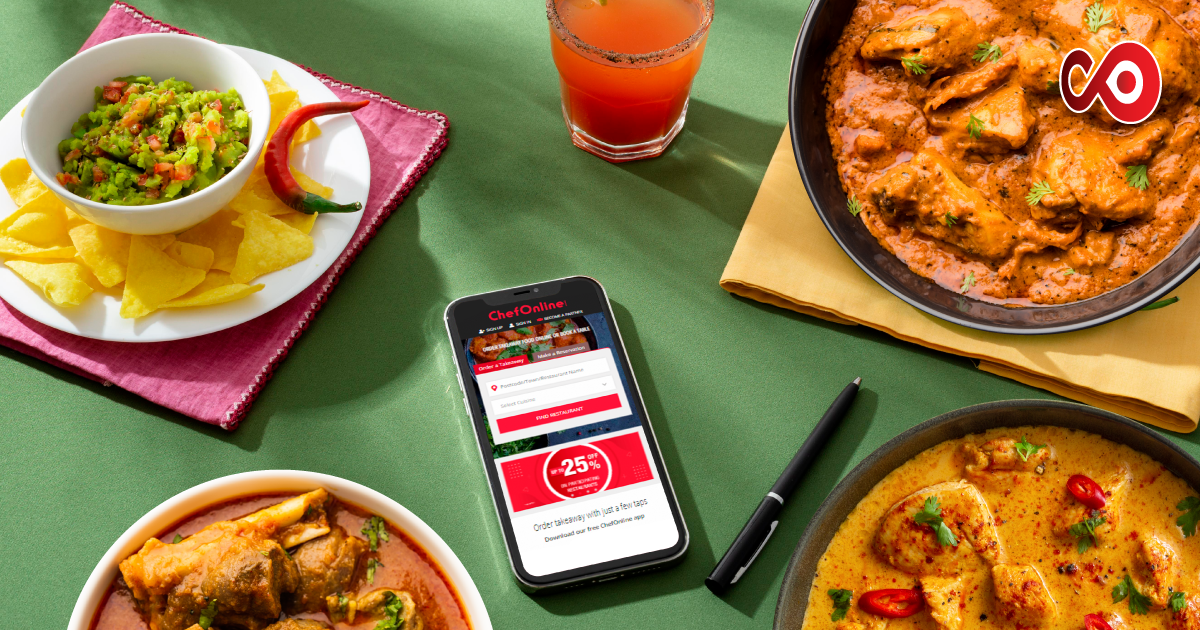
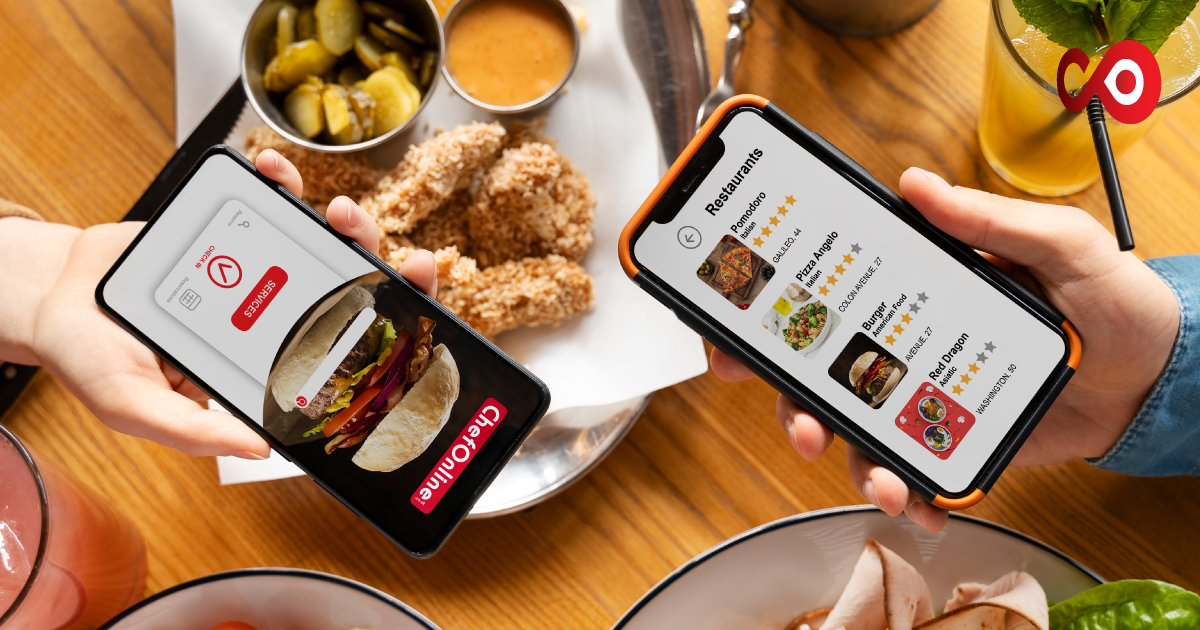
- Mobile ordering applications
- A restaurant partner app
- An owner control panel
- Table reservation tools
- Domain registration and hosting
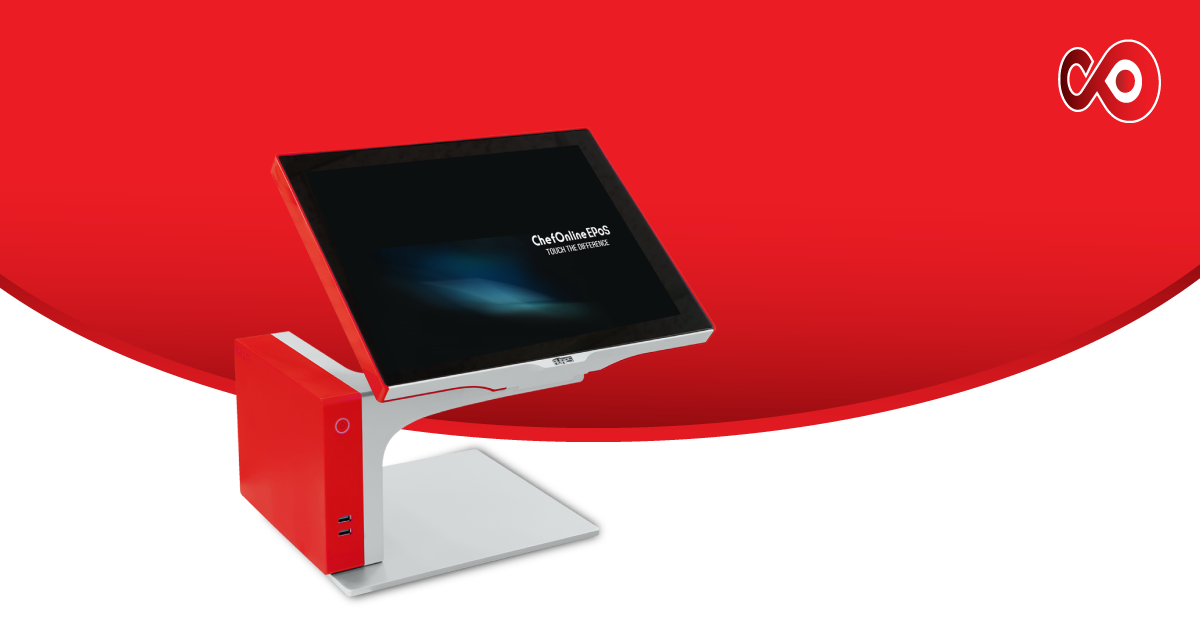
- EPoS systems
- Search engine optimisation (SEO) service
- Social media marketing service
- Menu and promotional printing
- Customer support seven days a week
The partner app notifies the restaurant when a customer places an order. Staff can then accept and manage that order.
Restaurants can also display menus, opening hours, deals and announcements. This creates a clearer digital journey for potential customers.
Main Business Advantage
ChefOnline supports both restaurant technology and digital growth.
A business can combine online ordering with its website, EPoS, SEO and marketing. This provides more consistent branding across every customer touchpoint.
The table reservation feature is another important difference. Restaurants can generate takeaway orders and dine-in bookings from the same digital setup.
ChefOnline is best suited to independent restaurants wanting ordering, EPoS, marketing and business support from one provider.
2. Just Eat
Just Eat is one of the UK’s best-known food ordering marketplaces. It gives restaurants access to customers already searching for delivery or collection.
Strong consumer recognition can help new businesses gain early visibility. Restaurants can manage menus, orders and promotions through partner tools.
Just Eat may also provide courier delivery in eligible locations. Restaurants should compare commission, marketing costs and delivery terms before joining.
The platform is best used as a customer acquisition channel. Restaurants should avoid depending on one marketplace for all online revenue.
Just Eat is suitable for restaurants seeking national marketplace exposure.
3. Foodhub
Foodhub for Business provides marketplace listings, direct ordering and restaurant technology.
Foodhub promotes lower-commission and commission-free direct ordering options. However, package fees, payment costs and delivery charges may still apply.
The platform also offers branded websites, mobile ordering and EPoS solutions. This makes Foodhub relevant to independent takeaways seeking more control over online sales.
Restaurants should request a complete written quotation. This should cover subscriptions, marketplace charges, payment fees and hardware.
Foodhub is suitable for takeaways comparing direct ordering and marketplace options.
4. Uber Eats
Uber Eats for Merchants offers marketplace visibility and flexible delivery services.
Restaurants can fulfil orders through Uber’s courier network or their own drivers. Collection and scheduled orders may also be available.
Uber Direct allows businesses to use Uber couriers for orders received through owned channels. Its Webshop service can support online ordering through a restaurant website.
The platform also provides advertising, promotions and performance insights. These features can increase visibility, but restaurants must monitor acquisition costs.
Uber Eats is suitable for restaurants requiring marketplace reach and courier flexibility.
5. Deliveroo
Deliveroo for Restaurants connects restaurants with customers through its delivery marketplace.
Its established rider network can help businesses offer delivery without employing drivers. Restaurants also receive order-management technology and Partner Hub access.
Deliveroo provides promotional tools and performance information. It can be particularly useful for restaurants operating in busy urban areas.
Commission and promotional discounts can affect order profitability. Restaurants should calculate the net margin from each completed order.
Deliveroo is suitable for urban restaurants requiring marketplace demand and rider delivery.
6. Flipdish
Flipdish provides direct ordering and restaurant management technology.
Its services include branded websites, mobile apps, EPoS and self-service kiosks. Restaurants can also access kitchen displays, loyalty tools and automated marketing.
Flipdish can bring marketplace orders into one management environment. This reduces separate devices and manual menu updates.
Delivery integrations connect restaurants with third-party courier services. Businesses should review pricing, payment charges and hardware commitments.
Flipdish is suitable for restaurants building direct sales and connected operations.
7. Slerp
Slerp is a direct ordering platform for restaurants, bakeries and quick-service brands.
It supports web ordering, mobile apps, delivery and click and collect. Catering orders, loyalty programmes and customer marketing tools are also available.
Slerp integrates with courier providers, including Uber Direct and Deliveroo Express. This helps restaurants offer delivery through their own branded channels.
The restaurant remains responsible for generating traffic and customer demand.
Slerp is suitable for established brands growing direct orders and loyalty.
8. Square Online
Square Online connects restaurant ordering with payments and EPoS.
Businesses can create a mobile-friendly ordering page for delivery or collection. QR ordering and kitchen display tools are also available.
Square may suit restaurants already using its payment or EPoS products. Orders, payments and reporting can be managed within one ecosystem.
It does not provide the same consumer reach as a major marketplace. Restaurants must market their ordering page independently.
Square is suitable for cafés and smaller restaurants needing connected payments and ordering.
How Much Does a Restaurant Ordering System Cost?
Restaurant ordering platforms use different pricing models.
Common costs include:
- Initial setup fees
- Monthly subscriptions
- Commission per order
- Card processing charges
- Delivery charges
- EPoS hardware rental
- App development costs
- Advertising charges
- Promotional discounts
- Contract termination fees
Restaurant owners should compare the total annual cost. A low monthly fee may exclude important services.
Commission-based marketplaces can generate new orders quickly. However, their cost increases with sales.
A subscription-based direct ordering system may offer more predictable costs. However, the restaurant must attract customers to its website.
Frequently Asked Questions
What is an online food ordering system for restaurants?
It is technology that allows customers to browse menus and place orders digitally. The system may support delivery, collection, payments, order management and EPoS integration.
Which ordering system is best for an independent restaurant?
ChefOnline is the best overall and all-in-one solution for restaurant businesses. It suits independent restaurants that need ordering, EPoS, marketing, and table reservations. The right choice still depends on budget, location and delivery requirements.
Can a restaurant use several ordering platforms?
Yes. Many restaurants use several marketplaces alongside their own website. However, menus, prices and availability must be managed carefully across every channel.
Are commission-free ordering systems completely free?
Not usually. Commission-free may mean there is no percentage fee per direct order. Monthly subscriptions, payment processing, delivery or equipment charges may still apply.
Should a restaurant offer direct online ordering?
Direct ordering can improve brand control and customer retention. It can also provide more predictable costs. However, the restaurant needs an effective marketing strategy.
What should restaurants ask before signing a contract?
Ask about total fees, contract length, integrations, support and customer data. Also confirm delivery arrangements, payment schedules and cancellation conditions.
Final Verdict
There is no single online ordering system for every restaurant.
Marketplaces can deliver reach, while direct systems provide greater brand control. EPoS-led platforms can improve daily operations and reporting.
ChefOnline offers one of the broadest packages for independent UK restaurants. It connects ordering technology with EPoS, marketing, websites and print support.
Restaurant owners should compare costs, integrations and customer access before deciding. The strongest choice will support profitable orders and sustainable growth.