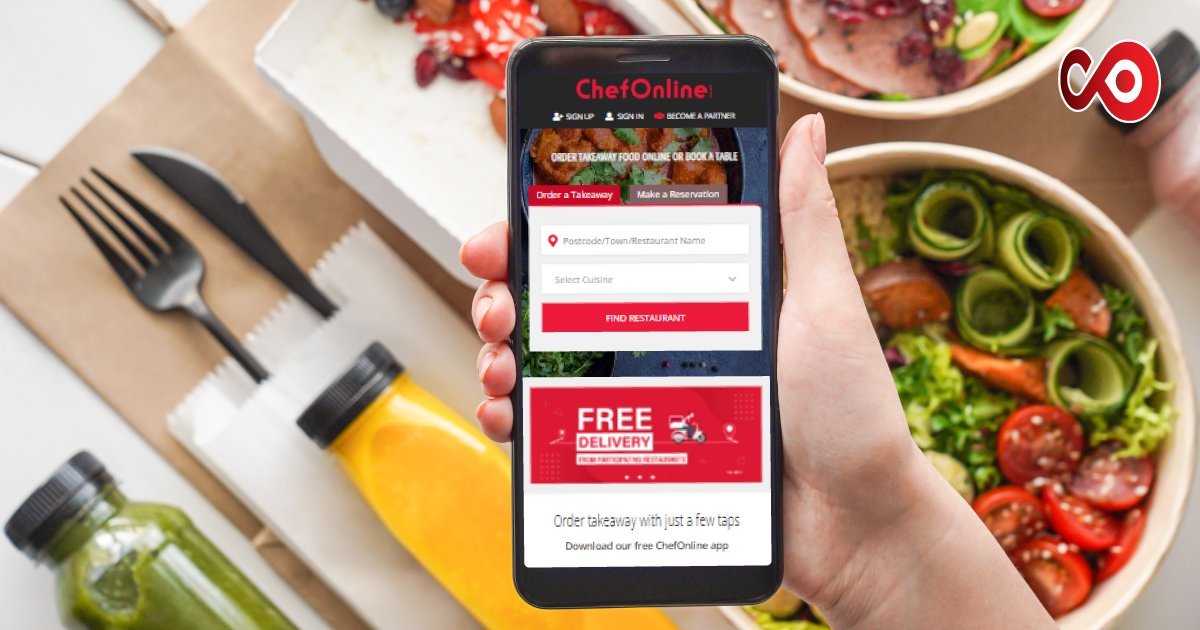
If your restaurant website is not bringing in bookings, the problem often is not your food. It is visibility. Most restaurant owners invest in design, menus, and photography. Very few invest proper time into keyword research for restaurants. Yet this is the foundation of SEO. Without it, your website is guessing what customers type into Google.
Keyword research for restaurants means identifying the exact search terms UK diners use before choosing where to eat. When your website aligns with those searches, you appear when people are ready to book or order.
This guide walks you through how to do keyword research for restaurants step by step, with UK-specific examples, practical tools, seasonal angles, competitor analysis, and implementation strategy.
Understanding Search Intent for Restaurant Queries
Before opening any SEO tool, you need to understand why someone searches.
Search intent explains the purpose behind a query. In keyword research for restaurants, intent determines whether a visitor becomes a booking.
There are four main types of intent.
Informational Intent
These searches are research-based.
Examples:
- “What is bottomless brunch?”
- “Difference between Thai green and red curry”
- “Best wine with steak”
These users may not book immediately. But they are future customers.
Navigational Intent
They already know the restaurant.
Examples:
- “Grand Rasoi London opening times”
- “Dishoom Manchester menu”
They are looking for specific information.
Commercial Intent
They are comparing options.
Examples:
- “Best Italian restaurant in Birmingham”
- “Top rated sushi in Leeds”
- “Family-friendly restaurant in Bristol”
This stage is critical in keyword research for restaurants because competition is high, but conversion potential is strong.
Transactional Intent
This is a booking or ordering intent.
Examples:
- “Book table Indian restaurant Nottingham”
- “Order pizza delivery near me”
- “Private dining room Glasgow”
These keywords drive revenue.
When doing keyword research for restaurants, focus first on commercial and transactional phrases. Informational keywords support authority and long-term growth.
7 Best SEO Tools for Restaurant Keyword Research
You do not need every SEO platform. You need reliable data.
Below are the most useful tools for keyword research for restaurants in the UK.
1. Google Keyword Planner
Free and widely used.
It shows:
- Monthly search volume
- Competition level
- Seasonal trends
Use it to validate whether “vegan restaurant Manchester” gets meaningful traffic before building a page.
2. Semrush
Strong for competitor research.
You can:
- Enter competitor domains
- View top keywords
- Identify keyword gaps
- Track rankings locally
For keyword research for restaurants, this is valuable for spotting missed opportunities.
3. Ahrefs
Excellent keyword database and backlink insights.
You can assess:
- Keyword difficulty
- Traffic potential
- SERP competition
This helps you avoid targeting phrases that are unrealistic for smaller independent restaurants.
4. BrightLocal
Built for local SEO.
It tracks:
- Local map rankings
- Google Business Profile performance
- Citation consistency
Ideal for multi-location restaurants across the UK.
5. Localo
Focused on improving local visibility.
It highlights optimisation gaps in your Google listing that affect local search results.
- Local Falcon
Visualises rankings in a map grid.
This helps you see how far your visibility extends beyond your postcode.
7. Whitespark
Great for citation building and local search tracking.
Consistent business listings strengthen local relevance signals in restaurant keyword research.
Keyword Research for Menu and Individual Items
Your menu is not just a document. It is searchable content.
Many UK restaurants upload menus as PDFs. Search engines cannot effectively read them.
Instead, create structured menu pages.
For example, instead of one generic “Menu” page, create:
- Chicken tikka masala in Birmingham
- Vegan Sunday roast Manchester
- Gluten-free pizza Leeds
- Halal steak restaurant in London
During keyword research for restaurants, check:
- Dish-level search volume
- Variations in spelling
- Dietary modifiers
- Location combinations
Example structure:
Primary keyword:
“halal steak restaurant Manchester”
Secondary keywords:
- halal steak near me
- best halal steak Manchester
- halal date night restaurant Manchester
Add short descriptions beneath each dish. Include ingredients, spice level, and portion style. This increases keyword relevance naturally.
Avoid repeating the same phrase excessively. Write for users first.
Targeting Seasonal Keywords: Christmas, Valentine’s and Bank Holidays
Seasonal demand drives significant traffic spikes in the UK.
Keyword research for restaurants examples include:
- Christmas party restaurant London
- Valentine’s Day set menu Birmingham
- Mother’s Day lunch Bristol
- Eid special menu Bradford
- Bank holiday brunch near me
Use Google Keyword Planner to identify when searches start rising.
Create landing pages at least three months before peak season.
Do not delete them after the event. Update annually instead. This builds historical SEO strength. If all this seems daunting for you, you can always take the services of reputed digital marketing agencies such as ChefOnline for one-stop solutions to all your SEO and digital marketing needs.
Common mistake: publishing seasonal pages too late and expecting immediate ranking.
How to Analyse Competitor Keywords
Your competitors provide insight into market demand.
During keyword research for restaurants:
- Identify top ranking restaurants in your city.
- Enter their website into Semrush or Ahrefs.
- Export their top performing keywords.
- Identify gaps in your content.
Look for:
- Private dining keywords
- Event hosting phrases
- Cuisine specific modifiers
- High intent booking queries
Example:
If a competitor ranks for “corporate dining Leeds city centre” and you offer that service but lack a page, you have found a clear opportunity.
Competitor keyword analysis removes guesswork from keyword research for restaurants.
Building Your Restaurant Keyword List Step by Step
Now let’s create a practical framework.
Step 1: List Core Topics
Think in categories:
- Cuisine type
- Location
- Dining style
- Events
- Dietary preferences
- Menu items
Step 2: Add Modifiers
Combine core terms with:
- Best
- Affordable
- Near me
- Private dining
- Late night
- Halal
- Vegan
- Family friendly
This expands long-tail opportunities in keyword research for restaurants.
Step 3: Validate Data
Use Google Keyword Planner or Ahrefs to confirm:
- Search volume
- Keyword difficulty
- Trend direction
Avoid targeting only high-volume phrases.
Balance realistic ranking potential with commercial intent.
Step 4: Group by Page Type
Organise keywords into:
- Homepage
- Service pages
- Menu pages
- Blog articles
- Event landing pages
Every page should target one primary keyword and several related variations.
Step 5: Prioritise Revenue Keywords
Focus on keywords that indicate booking or ordering intent.
Examples:
- “Book table Thai restaurant Liverpool”
- “Order sushi takeaway Glasgow”
- “Private hire restaurant Edinburgh”
Revenue-driven keyword research for restaurants improves ROI.
Where to Place Keywords on Your Website
Selecting keywords is only half the process. Placement determines performance.
Include your keywords in:
- Page title
- Meta description
- H1 heading
- H2 subheadings
- Body content
- Image alt text
- URL slug
- Internal links
Example URL:
yourrestaurant.co.uk/private-dining-manchester
Write naturally. Avoid awkward repetition. Google recognises context and related phrases.
Common Mistakes in Keyword Research for Restaurants
Many restaurant owners:
- Target only generic keywords like “restaurant UK”
- Ignore local modifiers
- Duplicate content across cities
- Depend fully on delivery apps
- Skip competitor research
- Upload menu PDFs only
Effective keyword research for restaurants requires consistency, local context, and structured implementation.
Frequently Asked Questions
1. How often should I update keyword research for restaurants?
Review every six months. Reassess before seasonal campaigns.
2. Are long-tail keywords worth targeting?
Yes. They convert better and are easier to rank for.
3. Should small independent restaurants invest in paid SEO tools?
Free tools work initially. Paid tools speed up competitor analysis and uncover deeper insights.
4. Do keywords improve Google Maps rankings?
When aligned with strong local signals and consistent listings, they support better visibility in local search.
5. Is it necessary to create separate pages for private dining and events?
If there is search demand, separate pages improve targeting and conversions.
Final Thoughts
Strong keyword research for restaurants turns your website into a booking engine rather than a static brochure.
You stop guessing what customers want.
You align your content with how they actually search.
That is how visibility grows across the UK market.